
FolderDesa brings together practical knowledge on farming, village-owned enterprises, culinary traditions, rural tourism, and small-business ideas — all rooted in the everyday life of Indonesian villages.
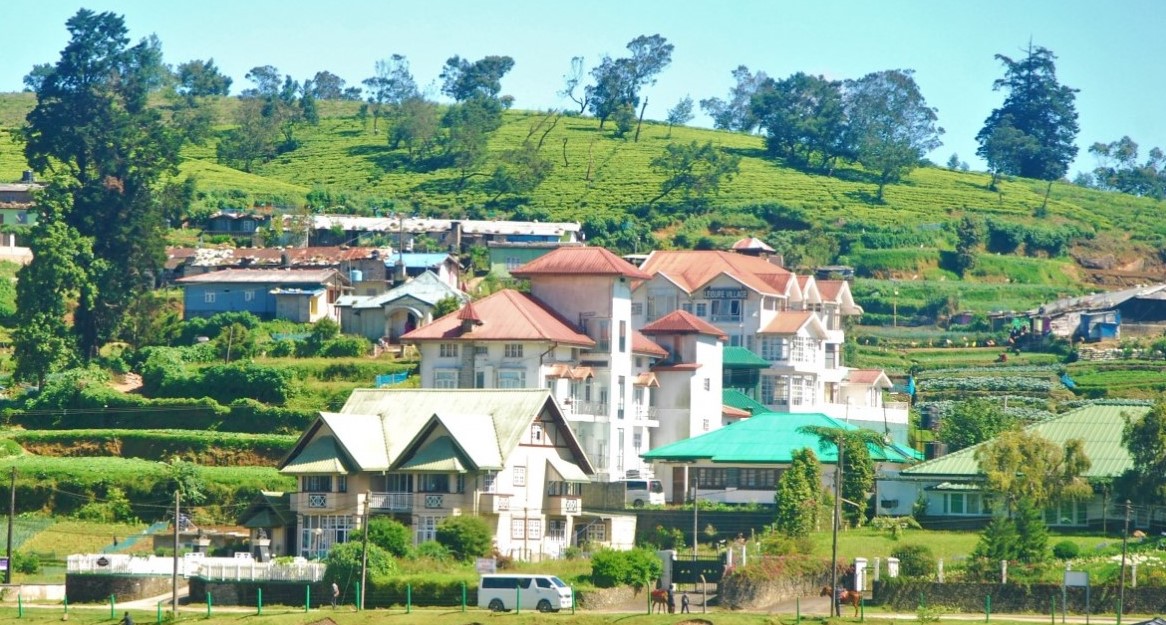
"From taro cultivation in Bogor to village tourism in Banyumas, every village has a story worth telling — and an opportunity worth sharing."
Seven areas of village knowledge
FolderDesa organizes its articles across these interconnected topics, each one grounded in real Indonesian village experience.
What you'll find on FolderDesa
Practical articles written by contributors who understand village life.
Agriculture & Cultivation
Articles on taro (talas bogor), dragon fruit, crystal guava, durian, oyster mushrooms, and tabulampot grapes — plus livestock such as dairy goats and Merino sheep.
Village-Owned Enterprises
Guides on establishing BUMDes, the differences from cooperatives, and why professional phased management matters for village economic growth.
Village Tourism
Coverage of destinations like Desa Karangkemiri in Banyumas, where outbound activities and a swimming pool helped tourism contribute Rp 50 million to village income in 2021.
Culinary Traditions
Indonesian village foods, Sundanese heritage dishes, spiced drinks, infused waters, seafood street-food ideas, and home-industry snack production.
Business Opportunities
From dried wood ear mushrooms and kopyor coconut seedlings to ecoprint crafting, bamboo crafts, and mina padi integrated rice-fish farming.
Village News & Community
Reports on social assistance programs like PKH, village governance structures, and practical tips such as safe homecoming travel during mudik season.
Village Cassava Flour: From Tropical Roots to Commercial Sales
Cassava has quietly become one of the most versatile root crops grown across the Asia-Pacific, and its value as a gluten-free flour is now reaching shelves in Australia. For village producers, this shift opens a path from subsistence farming to commercial income. The crop tolerates poor soils, drought, and irregular rainfall, making it well suited to smallholder plots where infrastructure is limited.
The Australian market for cassava flour has grown steadily, propelled by shoppers seeking wheat alternatives, paleo followers, and Asian bakeries that prize its neutral flavour. Sydney's Paddy's Markets and health stores in Melbourne's Fitzroy area stock it year-round, often imported rather than locally milled. That reliance on imports leaves an opening for growers who can supply a fresher, traceable product.
Matching Varieties to Village Conditions
Sweet and bitter cultivars behave differently once they leave the field, so variety choice shapes every downstream decision. Sweet types like VAS-1 and TMS-91/02316 suit table use and small-scale flour because their cyanogenic glycoside drops to safe levels after peeling and drying. Bitter varieties give higher yields and starch content, but they need thorough processing, including grating, pressing, and heating, before the flour is edible.
Growers on the Atherton Tablelands have trialled Indonesian-bred lines with the Queensland Department of Agriculture, with root weights above 8 kg per plant in red volcanic soils. Rainfall between 1,500 and 2,000 mm suits cassava almost exactly, so village land in high-rainfall pockets rarely needs supplementary irrigation. In drier parts of the Top End, watering during the first three months keeps young plants alive and protects tuber expansion. Before planting, a feasibility check along the steps outlined for a starter village enterprise confirms water, labour, and market access fit together.
Preparing the Land and Planting Stems
Cassava tolerates a wide range of soils but gives best returns in free-draining loams with a pH between 5.5 and 6.5. Heavy clays must be broken before planting because waterlogged conditions rot tubers during the wet season. Most village growers prepare ridges 80 to 100 cm apart, then drop cuttings of 20 to 25 cm into the furrow at a slight angle.
Near Humpty Doo in the Northern Territory, growers use this layout and often intercrop cassava with cowpea during the first two months to suppress weeds and add nitrogen to the bed. Healthy cuttings come from plants 9 to 15 months old, taken from the middle portion of the stem where buds are mature. Each cutting should carry four to five nodes, where germination energy is concentrated. Torres Strait growers time stem placement just before the wet season.
Managing the Crop Through the Growing Months
Weed pressure during the first 90 days determines yield more than almost any other factor. Once the canopy closes, cassava shades out most competitors, so early hand weeding or light tillage between rows is essential. Grass or legume mulches conserve soil moisture and return organic matter to the ridge. Leaf pests like cassava hornworm and red spider mite are best monitored, treated only when damage crosses an economic threshold.
In the Broome region of Western Australia, small plots are often fenced to keep cattle and kangaroos out, and rotational grazing on fallow paddocks keeps grass cover manageable. Fertilisers are modest, with composted manure at 5 to 8 tonnes per hectare, supplemented by rock phosphate at planting. By month nine, the plants flower, signalling tuber starch accumulation toward harvest readiness.
Harvesting, Peeling, and Drying for Flour
Most flour programmes harvest 10 to 14 months after planting, when starch content peaks and fibre has not hardened. After stems are cut at the base, tubers are lifted carefully with forks or a single-row plough, because damaged tubers spoil quickly. Once lifted, they are washed, peeled within 24 hours, and chipped into thin slices to speed up drying.
Drying decides flour quality, so many village enterprises use raised solar drying racks covered with insect mesh. Chips dry from roughly 60% moisture to under 12% over two to four sunny days, depending on humidity. In the Kimberley, where cloud cover interrupts drying, some operators blend solar drying with a biomass dryer fuelled by crop residues. Properly dried chips store in airtight drums, giving processors a buffer against seasonal harvests.
Milling and Quality Standards for Buyers
Milling requires a hammer mill fitted with a 0.3 to 0.5 mm screen, depending on whether the buyer wants fine flour or coarser grits. After milling, the flour is sifted to remove fibrous residues and packaged in moisture-proof bags, ideally vacuum-sealed or nitrogen-flushed. Each batch must be tested for moisture, ash, and colour, because Australian buyers require under 12% moisture and an off-white look.
Food safety compliance varies by state, but most buyers ask for a HACCP plan and microbiological test results within agreed limits. Atherton Tablelands producers who supply Cairns bakeries often share a small community laboratory to keep certification costs manageable. Labels must declare the flour gluten-free and flag allergen cross-contact if the mill is shared with other grains.
Production Economics at Village Scale
A hectare of healthy cassava typically yields 20 to 30 tonnes of fresh roots, translating into 5 to 7 tonnes of finished flour. At wholesale prices for traceable Australian product, this returns several thousand dollars per hectare, depending on certification costs and transport distances. For village cooperatives, the strongest margins come from selling directly to independent bakers, gluten-free pasta makers, and bushfoods distributors rather than through commodity brokers.
A practical first step for any village group is a feasibility walk-through of land, water, and labour before committing capital to milling equipment. Once the basics look workable, plot the economics of moving fresh roots into dried chips and finished flour, paying close attention to fresh cassava pricing benchmarks.
Reaching Australian Buyers
Bakeries in Melbourne and Sydney, gluten-free pasta makers in Adelaide, and bushfoods brands in Brisbane are viable first customers for a small cassava flour operation. Most prefer a personal relationship, so a phone call and sample shipment builds trust faster than any listing. Sample size matters: 1 to 2 kilograms of packaged flour is enough for a buyer to run baking tests and judge colour, aroma, and absorption.
Logistics usually involve consolidation through a freight forwarder, since cassava flour does not need refrigeration once moisture is controlled. Labelling must meet Food Standards Australia New Zealand rules, including ingredient declaration, lot number, country of origin, and best-before date from milling day. Health-claim phrases like "gluten-free" must be backed by laboratory testing to 20 parts per million or less.
The next concrete step is to send a 2 kilogram sample of cleanest dried chips, packaged and labelled to a commercial standard, to a flour buyer in Sydney, Melbourne, or your nearest regional centre. That single conversation will tell you more about market expectations than any spreadsheet, and it sets the date your programme begins.

Questions or story ideas from your village?
FolderDesa welcomes readers who want to share village experiences or learn more about the topics covered on the site.
Visit the Contact Page