
FolderDesa brings together practical knowledge on farming, village-owned enterprises, culinary traditions, rural tourism, and small-business ideas — all rooted in the everyday life of Indonesian villages.
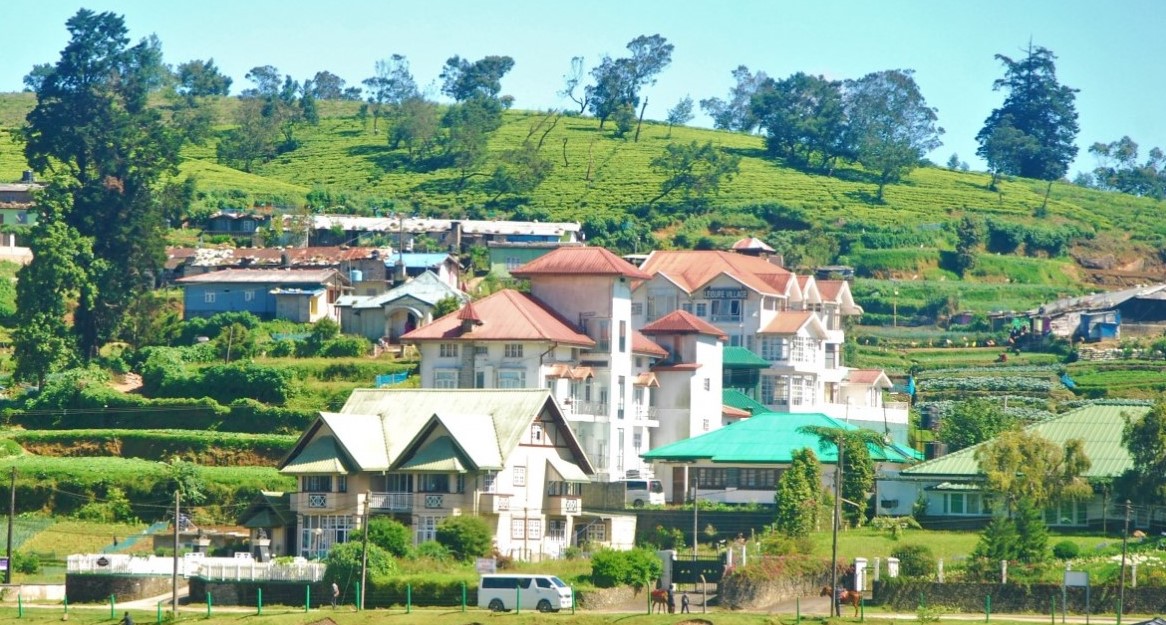
"From taro cultivation in Bogor to village tourism in Banyumas, every village has a story worth telling — and an opportunity worth sharing."
Seven areas of village knowledge
FolderDesa organizes its articles across these interconnected topics, each one grounded in real Indonesian village experience.
What you'll find on FolderDesa
Practical articles written by contributors who understand village life.
Agriculture & Cultivation
Articles on taro (talas bogor), dragon fruit, crystal guava, durian, oyster mushrooms, and tabulampot grapes — plus livestock such as dairy goats and Merino sheep.
Village-Owned Enterprises
Guides on establishing BUMDes, the differences from cooperatives, and why professional phased management matters for village economic growth.
Village Tourism
Coverage of destinations like Desa Karangkemiri in Banyumas, where outbound activities and a swimming pool helped tourism contribute Rp 50 million to village income in 2021.
Culinary Traditions
Indonesian village foods, Sundanese heritage dishes, spiced drinks, infused waters, seafood street-food ideas, and home-industry snack production.
Business Opportunities
From dried wood ear mushrooms and kopyor coconut seedlings to ecoprint crafting, bamboo crafts, and mina padi integrated rice-fish farming.
Village News & Community
Reports on social assistance programs like PKH, village governance structures, and practical tips such as safe homecoming travel during mudik season.
A Village Garden Approach to Cooking Sayur Asem
Sayur asem is a tangy Indonesian vegetable soup, often simmered in village kitchens with whatever the garden offers that morning. For Australians who tend a backyard patch or shop at a neighbourhood farmers' market, the same spirit applies. The dish rewards seasonal produce, a forgiving hand with the tamarind, and a bit of patience while the broth settles into its rhythm.
Across Indonesia, sayur asem shifts from region to region. Javanese households simmer tamarind with melinjo, chayote and long beans, while Sumatran cooks might lean on bilimbi or terung. The principle stays constant: a clear, lightly sour broth that lifts humble vegetables into something deeply refreshing, usually eaten warm with rice and a small bowl of sambal.
In Australia, where multicultural kitchens have embraced Indonesian flavours for decades, the soup has slipped comfortably into home cooking. Substituting local produce for harder-to-find Indonesian greens keeps the dish honest and sustainable, especially when those ingredients come straight from the garden or a weekend market stall.
The Soul of Sayur Asem and the Garden Behind It
Sayur asem literally means "sour vegetables" in Indonesian, capturing the dish's defining tang. That sourness traditionally comes from young tamarind, sometimes reinforced with bilimbi or a few ripe tomatoes. The broth runs clear rather than coconut-rich, and the vegetables keep their shape and snap. Village cooks rarely measured anything, instead tasting as they went and adjusting with a pinch of sugar or another splash of tamarind water.
Behind every pot sits a kitchen garden. In Javanese villages, the dapur garden (often simply called "kebun") sits a few steps from the back door and supplies chillies, shallots, lemongrass, long beans, eggplant, chayote and water spinach. The cook steps out, harvests a handful of leaves, and is back at the stove before the water boils. This closeness between pot and patch shapes the dish: fresh, quick, and seasonal in a way that supermarkets rarely match.
For Australians, a similar rhythm is possible with a suburban veggie patch or a regular run to a market like Carriageworks in Eveleigh or the Queen Victoria Market in Melbourne. The logic is identical: pick what is at its peak today, and build the soup around that. Even a small herb spiral on a balcony can supply the lemongrass and chilli tops the recipe needs.
Choosing and Swapping the Vegetables
The classic Javanese mix combines chayote (labu siam), long beans, young jackfruit or nangka, melinjo leaves, corn cobs and water spinach. Eggplant and bilimbi appear in some versions. Each ingredient brings a different texture: the corn adds sweetness, the long beans snap, the chayote softens into the broth while holding its shape.
Outside Indonesia, these vegetables can be tricky to find. Chayote grows in warmer Australian regions and shows up at multicultural grocers in Sydney's Cabramatta or Brisbane's Sunnybank. Long beans are sold as snake beans in Asian grocers and at weekend markets. Water spinach, locally called kangkung, is widely available in Asian produce aisles. When a particular green is out of reach, zucchinis work in place of chayote, green beans replace long beans, and English spinach stands in for water spinach.
A substitution worth highlighting: sweet potato leaves or pumpkin tips can stand in for melinjo when foraging is restricted. Australians with a choko vine sprawling over the back fence, an old-fashioned favourite in many Queensland backyards, have a perfect chayote substitute already growing. The flexibility keeps the dish within reach year-round.
Building the Sour Broth
The broth is the heart of sayur asem, and tamarind carries most of the weight. Fresh tamarind pods are the traditional choice, but Australian cooks usually reach for tamarind paste sold in jars at Asian supermarkets. A small spoon stirred into hot water releases the sharp, fruity tang the dish needs. For a deeper, slightly caramel sweetness, palm sugar or jaggery balances the sourness.
Aromatics matter just as much. Lemongrass bruised with the back of a knife, a couple of salam leaves (or bay leaves as a stand-in), sliced shallots, garlic and a knob of galangal build the underlying fragrance. Some cooks add a few bird's eye chillies for warmth. The aromatics simmer gently so the broth stays clear rather than cloudy. A quick taste test at the ten-minute mark tells you whether more tamarind or sugar is needed.
Australians making this soup at home often adapt the aromatics to whatever is in the pantry. A stick of celery and a few sprigs of Thai basil can fill in for galangal and salam. If you're sourcing produce at a place like the Adelaide Showground Farmers' Market on a Sunday arvo, it's worth picking up lemongrass and Thai basil while you're there, since both travel well and keep in the fridge for over a week.
Assembling the Pot
Start with the harder vegetables first. Chayote and corn cobs go into the simmering broth early, since they need fifteen to twenty minutes to soften. Long beans and eggplant join next, around the five-minute mark. Delicate greens such as water spinach or melinjo leaves slip in at the very end, just long enough to wilt.
A useful rule across Indonesian home cooking is urutan, meaning "the right order". Thicker roots and starchy vegetables go first; tender leaves last. This keeps every ingredient cooked just enough. The same rule helps when swapping produce: dense zucchinis go in earlier, while baby spinach or English spinach needs only thirty seconds.
For a complete meal, some cooks add salted duck egg or fried tempeh on the side. In Australia, tempeh is easy to find in health-food sections and at most Indonesian grocers in suburbs like Footscray or Auburn. A wedge of warm jasmine rice and a slice of fried tempeh turn a bowl of sayur asem into a balanced lunch or a light dinner after a long arvo in the garden.
Serving, Storing and Sharing
Sayur asem is best served warm, not boiling hot, so the vegetables keep their colour and bite. A small dish of sambal terasi on the side lets each person add heat, while crushed krupuk sprinkled on top bring crunch and saltiness. A wedge of lime brightens the broth if it has lost some tang during cooking.
Leftovers keep well in the fridge for two days, though the greens will soften further. Reheating gently on the stove is better than microwaving, since the aromatics revive with a slow simmer. Many village cooks intentionally make a large pot so the soup tastes even better the next day, after the flavours have had time to meld.
Sharing the pot matters as much as the cooking. In village life, sayur asem is a communal dish, ladled out for family and neighbours who drop by. Australians drawn to that welcoming spirit can pick up practical ideas for hosting a farm stay that translate the same communal warmth into a rural weekend. Even a simple shared lunch in the backyard captures that generous rhythm.
Habits That Lift a Pot of Sayur Asem
- Harvest vegetables the same morning you cook, while the leaves are still cool and crisp.
- Taste the broth at every stage and adjust tamarind or palm sugar in small splashes.
- Cut firm vegetables into even chunks so they finish cooking at the same time.
- Keep aromatics whole or lightly bruised to keep the broth clear.
- Add leafy greens only in the final minute so they keep colour and bite.
- Save the corn cobs after slicing off the kernels and simmer them for extra sweetness.
- Cook a little extra and store the broth separately from the vegetables to reheat better.
The next pot of sayur asem starts with a short walk through the garden or a quick loop around the local market this weekend. Pick one vegetable you haven't used before, and build the sour broth around it.

Questions or story ideas from your village?
FolderDesa welcomes readers who want to share village experiences or learn more about the topics covered on the site.
Visit the Contact Page