
FolderDesa brings together practical knowledge on farming, village-owned enterprises, culinary traditions, rural tourism, and small-business ideas — all rooted in the everyday life of Indonesian villages.
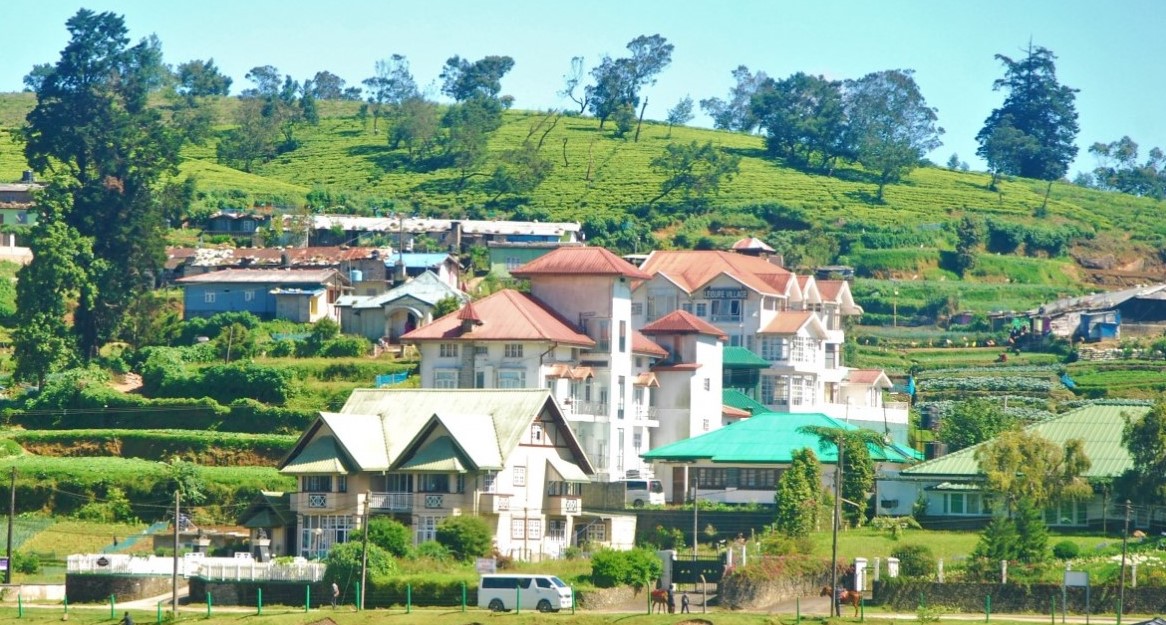
"From taro cultivation in Bogor to village tourism in Banyumas, every village has a story worth telling — and an opportunity worth sharing."
Seven areas of village knowledge
FolderDesa organizes its articles across these interconnected topics, each one grounded in real Indonesian village experience.
What you'll find on FolderDesa
Practical articles written by contributors who understand village life.
Agriculture & Cultivation
Articles on taro (talas bogor), dragon fruit, crystal guava, durian, oyster mushrooms, and tabulampot grapes — plus livestock such as dairy goats and Merino sheep.
Village-Owned Enterprises
Guides on establishing BUMDes, the differences from cooperatives, and why professional phased management matters for village economic growth.
Village Tourism
Coverage of destinations like Desa Karangkemiri in Banyumas, where outbound activities and a swimming pool helped tourism contribute Rp 50 million to village income in 2021.
Culinary Traditions
Indonesian village foods, Sundanese heritage dishes, spiced drinks, infused waters, seafood street-food ideas, and home-industry snack production.
Business Opportunities
From dried wood ear mushrooms and kopyor coconut seedlings to ecoprint crafting, bamboo crafts, and mina padi integrated rice-fish farming.
Village News & Community
Reports on social assistance programs like PKH, village governance structures, and practical tips such as safe homecoming travel during mudik season.
How to build a simple biogas digester from cow manure
Cow manure can become a useful household energy source when it is processed in an airtight digester. The resulting biogas may support cooking, while the remaining slurry can be applied as organic fertilizer. For small farms and village households, this approach can reduce firewood use, improve manure management, and create an additional local resource.
A basic system does not require complicated machinery. It needs a sealed digestion chamber, an inlet for fresh manure, an outlet for digested slurry, a gas storage or collection point, and a safe burner. Good design and daily maintenance matter more than expensive materials.
Biogas work also fits wider village development goals. Cleaner cooking can support small food businesses, including those connected with Minangkabau culinary heritage, while nutrient-rich digestate can contribute to productive farming and land recovery.
How the digester works
Inside the sealed chamber, microorganisms break down manure without oxygen. This anaerobic digestion process produces a mixture of gases, mainly methane and carbon dioxide. Methane burns when it reaches a suitable concentration, while the digested material leaves through the outlet as slurry.
A household digester should be sized according to the amount of manure available every day. A cow may provide roughly 10–15 kilograms of fresh manure daily, although the actual amount depends on breed, feed, and collection practices. A small family system commonly uses one or two cows and a digester holding around 4–6 cubic meters.
The system should receive a consistent mixture of manure and water. A practical starting ratio is one part fresh manure to one part water by volume. This creates a pumpable slurry and prevents thick material from blocking the inlet.
Materials and site selection
A simple fixed-dome or plastic-drum design can work for a small farm. A masonry digester is more durable, while a heavy-duty plastic tank or adapted polyethylene container can be easier for a pilot project. The selected vessel must be airtight and strong enough to withstand soil pressure, temperature changes, and regular use.
You will generally need:
- A sealed tank or underground chamber
- PVC inlet and outlet pipes
- A gas pipe with shut-off valves
- A flexible gas bag or protected storage drum
- A biogas burner designed for low-pressure gas
- Hose clamps, sealant, and pipe fittings
- Bricks, cement, sand, and gravel for a fixed installation
Choose a location close to the cattle shed so manure can be moved easily, but keep it away from wells, kitchens, open flames, and flood-prone ground. The site should receive some warmth from the sun while remaining protected from heavy rain and physical damage. Install the gas line with a gentle slope and avoid low points where condensed water can collect.
Building the main components
Begin by constructing or placing the digestion chamber on stable ground. For an underground model, excavate according to the tank dimensions, prepare a firm base, and surround the chamber with compacted soil or masonry. Every joint and access cover must be sealed carefully. Even a small leak can reduce gas production and allow air to enter.
Create an inlet pipe from the manure mixing area to the upper part of the digester. The inlet should be wide enough to accept diluted manure without frequent blockage. The outlet should lead to a separate slurry pit or covered collection container positioned slightly lower than the chamber.
Fit the gas outlet at the highest point of the digester. Connect it to a shut-off valve, a moisture trap, and then the gas storage bag or burner. Use materials rated for gas service, secure every connection with clamps, and test joints with soapy water. Bubbles indicate a leak that must be repaired before the system is used.
| Component | Simple option | Main purpose |
|---|---|---|
| Digestion chamber | Masonry tank or sealed plastic tank | Holds manure slurry during digestion |
| Inlet | PVC pipe with mixing basin | Delivers diluted manure |
| Outlet | PVC pipe to slurry pit | Removes digested material |
| Gas storage | Reinforced flexible gas bag | Holds gas before cooking |
| Moisture trap | Small removable water separator | Protects the burner and pipe |
| Burner | Low-pressure biogas stove | Converts methane into cooking heat |
Feeding and starting the system
Mix fresh cow manure with an equal amount of water in a separate basin. Remove stones, sticks, rope, and bedding before pouring the slurry into the inlet. These materials can block the pipe or reduce the working volume of the digester.
At the beginning, fill the chamber gradually until the normal operating level is reached. Gas production may take two to six weeks, depending on temperature, digester size, and the biological activity of the feedstock. The first gas may contain a high proportion of carbon dioxide and may burn poorly, so release it outdoors through a controlled outlet rather than using it in the kitchen.
Feed the digester at roughly the same time each day. Sudden large additions can disturb the microbial balance. Avoid detergents, antibiotics, pesticides, excessive sand, and salty wastewater because they can inhibit digestion. If manure comes from cows treated with medication, ask a livestock worker or agricultural officer how long to wait before using it as feedstock.
Using slurry as farm fertilizer
The material leaving the outlet is called digestate or biogas slurry. It usually has less odor than raw manure and contains nutrients that can support vegetables, fodder crops, rice, and fruit trees. Apply it to soil rather than directly to harvested produce, and dilute liquid slurry when using it around young plants.
A covered slurry pit helps prevent nutrient loss and keeps flies away. Farmers can combine the liquid portion with irrigation water or compost the thicker portion before application. Keep runoff away from wells, streams, and household drains.
This by-product can become useful in village land-recovery programs. Experiences described in East Java rice fields show why organic inputs, water management, and collective labor can matter when restoring underused farmland. A digester works best when its fertilizer output is included in a broader farm plan.
Safety, maintenance, and daily checks
Biogas is flammable, and methane can accumulate in enclosed spaces. Install the digester and gas bag outdoors or in a well-ventilated shelter. Never smoke near the unit, test for leaks with a flame, or operate the burner if the hose smells strongly of gas or shows cracks.
Check the system each day for unusual pressure, blocked pipes, loose fittings, and overflow. A soap solution can identify leaks around valves and joints. Drain collected water from the moisture trap regularly, and keep the burner ports clean so the flame remains blue and stable.
Use these operating practices:
- Keep children away from valves, gas bags, and slurry pits.
- Place a visible shut-off valve between the digester and kitchen.
- Stop feeding the unit if the inlet or outlet becomes blocked.
- Repair damaged hoses immediately with suitable replacement parts.
- Cover the slurry pit and wash hands after handling manure.
A well-maintained household digester can provide useful cooking fuel for several hours a day, although output varies with manure quantity, temperature, feed quality, and system design. Record daily feeding and gas performance during the first month. These notes help the household identify blockages, leaks, or feeding changes before they become expensive problems.
For a village group, the next step is to select one suitable farm for a supervised pilot installation, train the household in safe operation, and measure manure use, cooking fuel savings, and fertilizer production. Begin with a manageable design, involve local agricultural or livestock officers, and expand only after the first unit operates reliably.

Questions or story ideas from your village?
FolderDesa welcomes readers who want to share village experiences or learn more about the topics covered on the site.
Visit the Contact Page