
FolderDesa brings together practical knowledge on farming, village-owned enterprises, culinary traditions, rural tourism, and small-business ideas — all rooted in the everyday life of Indonesian villages.
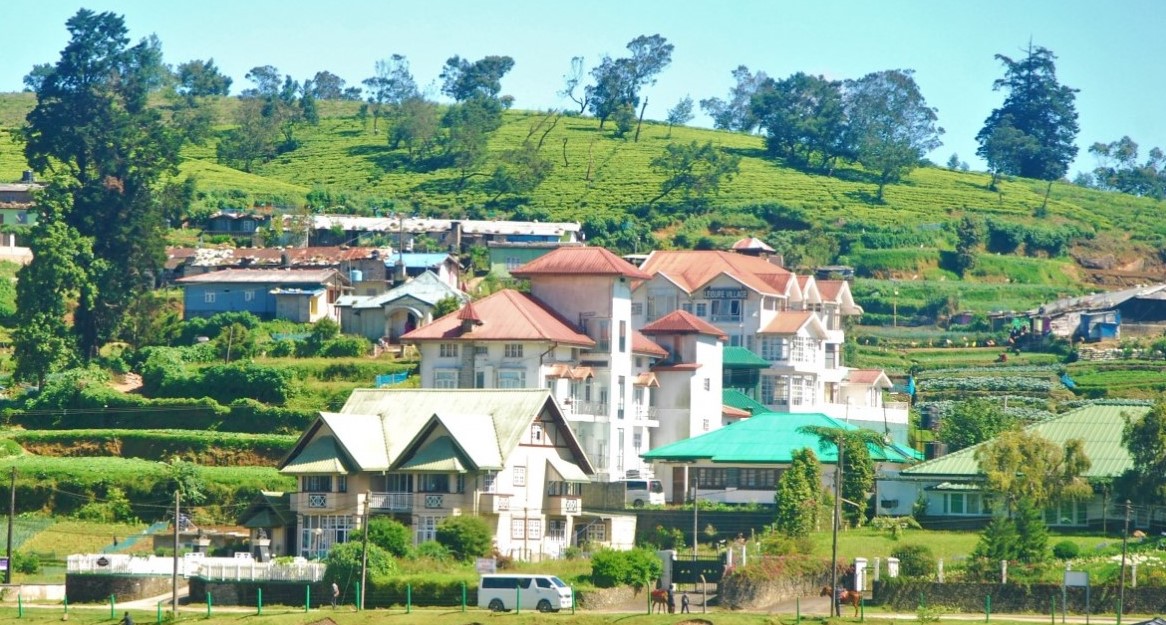
"From taro cultivation in Bogor to village tourism in Banyumas, every village has a story worth telling — and an opportunity worth sharing."
Seven areas of village knowledge
FolderDesa organizes its articles across these interconnected topics, each one grounded in real Indonesian village experience.
What you'll find on FolderDesa
Practical articles written by contributors who understand village life.
Agriculture & Cultivation
Articles on taro (talas bogor), dragon fruit, crystal guava, durian, oyster mushrooms, and tabulampot grapes — plus livestock such as dairy goats and Merino sheep.
Village-Owned Enterprises
Guides on establishing BUMDes, the differences from cooperatives, and why professional phased management matters for village economic growth.
Village Tourism
Coverage of destinations like Desa Karangkemiri in Banyumas, where outbound activities and a swimming pool helped tourism contribute Rp 50 million to village income in 2021.
Culinary Traditions
Indonesian village foods, Sundanese heritage dishes, spiced drinks, infused waters, seafood street-food ideas, and home-industry snack production.
Business Opportunities
From dried wood ear mushrooms and kopyor coconut seedlings to ecoprint crafting, bamboo crafts, and mina padi integrated rice-fish farming.
Village News & Community
Reports on social assistance programs like PKH, village governance structures, and practical tips such as safe homecoming travel during mudik season.
Building a Bamboo Raft for River Tourism
A bamboo raft can turn a village river into a memorable tourism experience while creating work for local builders, boat guides, farmers, and food vendors. The craft should feel traditional, but its construction and operation need to meet modern expectations for stability, comfort, and passenger safety.
A successful river attraction begins with careful observation. The team must understand the river’s depth, current, seasonal changes, submerged rocks, landing points, and areas where bamboo can be harvested responsibly. A simple raft is suitable for calm water, not for rapids, flood conditions, or narrow channels with strong currents.
The project also works best when it is managed as part of a wider village tourism plan. Ticketing, guide training, maintenance, waste control, emergency procedures, and local business partnerships should be considered before the first passenger steps aboard.
Choose suitable bamboo and river conditions
Select mature bamboo with thick walls, straight sections, and no signs of insects, cracks, rot, or fungal damage. Species commonly used in the area may differ, so experienced local builders should help identify strong poles. Bamboo harvested during a dry period is usually easier to cure and inspect.
Allow the poles to dry in a shaded, well-ventilated place for several weeks. Keep them raised from the ground and protected from rain. Do not seal fresh bamboo immediately, because trapped moisture can encourage decay. After drying, trim damaged ends and treat the poles with a locally appropriate preservative.
Survey the river during the hours when tours will operate. Measure the normal depth, identify launching and landing areas, and mark hazards with visible signs or floating indicators. Operations should stop when water rises quickly, rain creates poor visibility, or the current becomes too strong for the raft and crew.
Design the frame for balance and buoyancy
A practical passenger raft uses several long bamboo poles placed side by side, with shorter cross-pieces secured across them. Three to five layers of lashing points can distribute weight more evenly than relying on one connection at each end. The platform should be wide enough for passengers to sit without shifting the center of gravity.
Use strong synthetic rope or treated natural cord for the main lashings. Make tight square lashings around each intersection, then add diagonal bracing at the front and rear. Avoid nails and sharp metal fasteners that can split bamboo, injure passengers, or loosen as the material flexes.
Build a low deck rather than a tall structure. A raised seat, roof, or decorative rail increases the risk of tipping when passengers move. If shade is needed, use a light canopy with flexible supports and keep it low enough to avoid catching branches or reducing the guide’s visibility.
Estimate capacity before adding passengers
Bamboo floats because its sealed internal chambers contain air. However, water absorption, rope, passenger movement, and uneven loading reduce the available safety margin. Capacity should therefore be based on practical flotation tests rather than a rough guess based on raft size.
Place the completed raft in shallow water and add measured weights gradually. Observe how much of the platform sinks, whether water reaches the deck, and whether the raft remains level when weight is placed at the sides. Keep a generous reserve above the maximum operating load.
The following example is a starting reference, not a substitute for testing by a qualified local builder or safety officer:
| Raft feature | Small visitor raft | Larger guided raft |
|---|---|---|
| Approximate length | 3–4 metres | 5–7 metres |
| Approximate width | 1.5–2 metres | 2–2.5 metres |
| Suggested passenger range | 2–4 people | 5–8 people |
| Crew requirement | 1 trained guide | 1–2 trained guides |
| Recommended use | Calm, short trips | Calm water with controlled route |
| Essential equipment | Paddles, buoyancy aids, rope | Paddles, buoyancy aids, rope, first-aid kit |
Every passenger should wear an appropriately sized life jacket, including strong swimmers. The guide needs a whistle, communication device, throw rope, first-aid supplies, and a way to reach the riverbank quickly in an emergency.
Assemble and test the raft
Lay the main bamboo poles on level ground and align their thick ends in the same direction. Tie cross-pieces at regular intervals, concentrating lashings near the front, rear, and passenger seating area. The joints should be firm while still allowing a small amount of natural movement.
Inspect every cut end and exposed node. Sand rough splinters, cover sharp projections, and remove poles that crush under hand pressure. A simple wooden seat can improve comfort, but it must be fixed low and spread weight across several main poles.
Test the raft without passengers, then with containers filled to the planned operating weight. Push it away from the bank, turn it, stop it, and observe how it responds to a person moving from the center toward an edge. Repeat the test in different parts of the route and after the raft has been soaked.
Organize the tourism experience
A raft ride becomes more attractive when it connects with village stories, river ecology, local farming, traditional food, or craft demonstrations. Guides can explain bamboo cultivation, fishing customs, riparian plants, and the history of nearby settlements without overcrowding the tour with information.
Landing areas should have stable steps or ramps, non-slip surfaces, shade, drinking water, toilets, and a clear waiting area. The village can coordinate these facilities with other public services; guidance on water system maintenance is useful when planning reliable clean water for visitors and operators.
Ticket revenue should support raft maintenance, guide wages, river conservation, and community administration. A transparent arrangement helps prevent disputes and gives residents a direct reason to protect the river environment.
Maintain equipment and protect the river
Inspect the raft before every trip. Check for loose lashings, split bamboo, soft sections, unstable seats, and waterlogged poles. After operating, rinse off mud, lift the raft from the water, and store it under cover with good airflow. Replace damaged rope immediately rather than tying temporary knots and continuing service.
Set a written inspection schedule for weekly, monthly, and seasonal checks. Keep a simple log showing operating hours, repairs, incidents, passenger numbers, and weather conditions. This record helps the village-owned enterprise identify recurring problems and decide when the raft should be rebuilt.
River tourism must avoid damaging banks and aquatic habitats. Use one designated launch point, prohibit littering, limit engine use near the route, and do not cut live riverbank vegetation for decoration. If bamboo is harvested locally, replanting and managed cutting should be part of the village plan.
Safety and operating recommendations
Before opening regular tours, train guides in paddling, passenger briefing, rescue techniques, first aid, weather observation, and basic equipment inspection. Conduct a practice evacuation from the raft to the bank and establish who contacts emergency services, village officials, and families when an incident occurs.
- Set a clear passenger limit and never exceed the tested load.
- Require life jackets on every trip, with children supervised closely.
- Suspend tours during heavy rain, flooding, lightning, or strong current.
- Keep passengers seated in the center and prohibit standing or sudden movement.
- Display route rules, ticket conditions, emergency contacts, and operating hours.
The guide should give a short safety briefing before departure and maintain control of the route throughout the journey. Passengers should know where to sit, how to hold a paddle safely, and what to do if the raft touches an obstruction.
Start with one well-tested raft and a short route rather than investing immediately in a large fleet. Invite residents, tourism officers, and local safety personnel to observe trial runs, record their findings, and make corrections before public launch. With careful construction and disciplined operations, bamboo can support a safe, distinctive, and community-owned river tourism attraction.

Questions or story ideas from your village?
FolderDesa welcomes readers who want to share village experiences or learn more about the topics covered on the site.
Visit the Contact Page