
FolderDesa brings together practical knowledge on farming, village-owned enterprises, culinary traditions, rural tourism, and small-business ideas — all rooted in the everyday life of Indonesian villages.
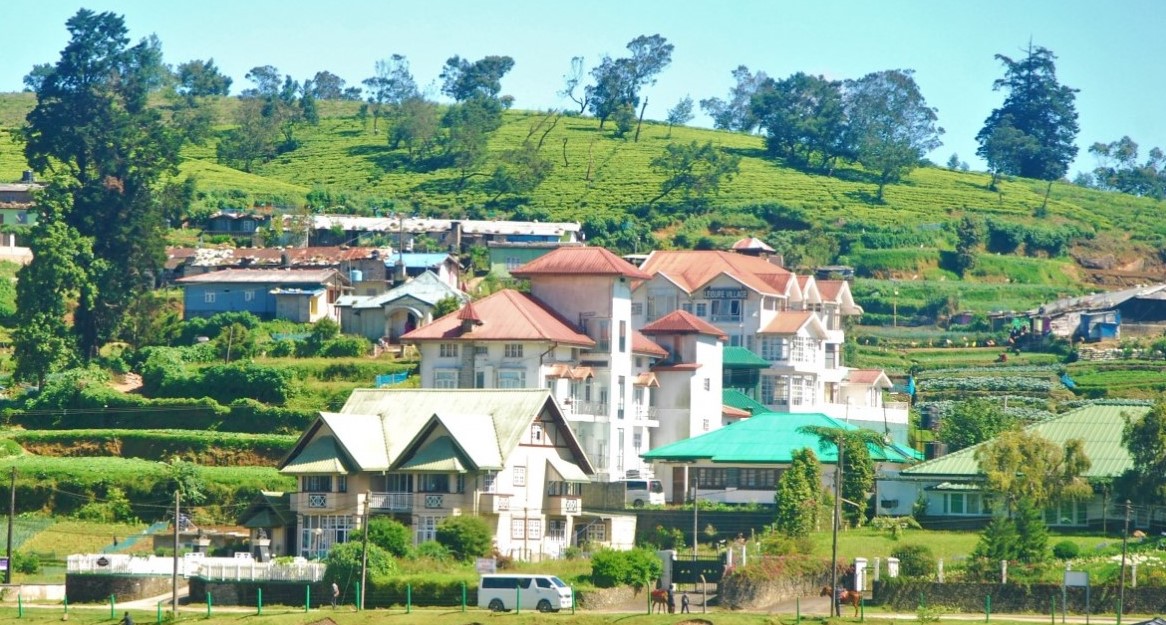
"From taro cultivation in Bogor to village tourism in Banyumas, every village has a story worth telling — and an opportunity worth sharing."
Seven areas of village knowledge
FolderDesa organizes its articles across these interconnected topics, each one grounded in real Indonesian village experience.
What you'll find on FolderDesa
Practical articles written by contributors who understand village life.
Agriculture & Cultivation
Articles on taro (talas bogor), dragon fruit, crystal guava, durian, oyster mushrooms, and tabulampot grapes — plus livestock such as dairy goats and Merino sheep.
Village-Owned Enterprises
Guides on establishing BUMDes, the differences from cooperatives, and why professional phased management matters for village economic growth.
Village Tourism
Coverage of destinations like Desa Karangkemiri in Banyumas, where outbound activities and a swimming pool helped tourism contribute Rp 50 million to village income in 2021.
Culinary Traditions
Indonesian village foods, Sundanese heritage dishes, spiced drinks, infused waters, seafood street-food ideas, and home-industry snack production.
Business Opportunities
From dried wood ear mushrooms and kopyor coconut seedlings to ecoprint crafting, bamboo crafts, and mina padi integrated rice-fish farming.
Village News & Community
Reports on social assistance programs like PKH, village governance structures, and practical tips such as safe homecoming travel during mudik season.
How to apply for a village innovation award
A village innovation award recognises communities that turn local resources, practical knowledge, and collective action into measurable improvements. In Indonesia, these awards may be organised by a ministry, provincial government, district administration, private institution, or development network. Each programme can use different names, requirements, and judging criteria.
Learning how to apply for a village innovation award begins with understanding the programme rather than immediately preparing a long proposal. A strong entry presents a real village problem, explains the solution clearly, and provides evidence that residents benefit from it.
The best candidates are rarely based on expensive technology alone. They may involve a BUMDes business model, a farmer group, village tourism, waste management, public services, traditional food, or a community-led conservation project. What matters is usefulness, participation, sustainability, and the possibility of inspiring other villages.
Find the right award programme
Begin by checking announcements from the village government, district office, provincial agencies, and relevant ministries. BUMDes networks, agricultural offices, tourism departments, universities, and development organisations may also share calls for applications. Record the application deadline, eligibility rules, required forms, and contact person.
Read the judging criteria carefully. Some competitions focus on public service innovation, while others assess economic development, food security, digital administration, environmental action, or rural tourism. An excellent farming project may be unsuitable for an award that only accepts innovations in governance.
Confirm who is allowed to submit the entry. Some programmes require the village head to apply officially, while others accept community groups, BUMDes managers, farmer associations, youth groups, or village-owned institutions. If several groups are involved, agree early on who will act as the official applicant.
Turn a local problem into a clear innovation
Judges need to see the connection between the original problem and the action taken. Describe the situation before the project began: low farmer income, limited market access, unmanaged waste, declining traditional food knowledge, poor visitor services, or slow administrative processes. Use local data, resident testimonies, photographs, and records where possible.
Then explain what changed. An innovation can be a new process, partnership, product, financing arrangement, digital tool, or community practice. It does not need to be invented from nothing. Adapting an existing idea to local conditions can be innovative when it solves a problem more affordably or inclusively.
For an agricultural project, explain how production, storage, transport, and sales are connected. A village that trains farmers but leaves them dependent on uncertain buyers should document its market strategy as well. Practical guidance on negotiating fair crop prices can help applicants describe stronger relationships with middlemen and buyers.
Prepare evidence that can be checked
A persuasive village innovation proposal combines a short narrative with verifiable evidence. Include the project’s start date, implementing organisation, funding sources, number of participants, activities, and measurable results. Compare conditions before and after the innovation rather than relying on general claims such as “the community became more prosperous.”
Useful evidence may include increased household income, new jobs, reduced waste, higher visitor numbers, shorter service times, improved production, or greater participation by women and young people. Financial records, attendance lists, sales summaries, production data, village regulations, and monitoring reports can support these claims.
| Evidence area | Examples of supporting material |
|---|---|
| Local need | Baseline survey, village profile, resident interviews |
| Implementation | Work plan, meeting minutes, photographs, activity reports |
| Economic result | Sales records, income comparison, employment data |
| Social benefit | Participant lists, testimonials, inclusion records |
| Sustainability | Budget plan, local regulation, maintenance schedule |
| Replication | Training materials, process guide, partnership records |
Photographs should show the process and participants, not only ceremonial launches. Add captions with dates, locations, and explanations. If the programme requests video, keep the story focused: show the problem, the solution, the people involved, and the result within the required duration.
Write a proposal judges can follow
Organise the application in the same order as the award’s form. A practical structure usually includes the village profile, problem statement, innovation description, implementation process, budget, outcomes, challenges, and future plan. Use plain English or Indonesian according to the rules, and replace technical language with specific examples.
Show who made decisions and who performs daily tasks. A project led entirely by a single official may appear fragile, even if the results are impressive. Explain the role of the village government, BUMDes, community groups, schools, businesses, universities, or external partners.
Include lessons from difficulties. Delayed funding, weak bookkeeping, seasonal production, limited internet access, or disagreement among residents can make an entry more credible when the application explains how the team responded. Judges often value a realistic management process more than a polished claim of perfect success.
Highlight culture, enterprise, and local identity
A village innovation becomes more distinctive when it is rooted in local assets. Traditional cuisine, agricultural varieties, crafts, forests, waterways, architecture, and oral history can support both cultural preservation and income generation. Explain how the project protects local identity instead of treating culture as decoration.
For example, a culinary tourism project might involve home cooks, youth guides, farmers, and local food producers. It should document hygiene standards, pricing, visitor feedback, supply arrangements, and how income is shared. Applicants developing food-based tourism can draw context from Minangkabau culinary heritage while presenting their own village’s distinct story.
A BUMDes entry should show business discipline: market research, operating costs, revenue, staffing, customer segments, and reinvestment. A tourism entry should address safety, environmental limits, accessibility, and visitor management. Strong applications connect cultural value with a practical plan for long-term stewardship.
Complete the submission and prepare for verification
Before submitting, check every requirement against a simple document list. Confirm signatures, official stamps if required, file formats, page limits, identity documents, budget figures, and supporting attachments. Use consistent names, dates, participant numbers, and financial totals throughout the proposal.
Ask someone outside the project team to read the application. They may notice unexplained abbreviations, missing evidence, or claims that cannot be verified. Keep original documents safely because shortlisted villages may receive a field visit, interview, presentation request, or financial review.
If the village reaches the final stage, prepare a concise presentation with a clear opening problem, three or four key actions, measured results, and a sustainability plan. Bring residents who can describe their direct experience. A farmer, craft worker, youth organiser, or visitor may communicate impact more convincingly than an official speech alone.
Practical steps before the deadline
- Select one documented innovation instead of combining several unrelated projects.
- Appoint a small team responsible for writing, evidence collection, finance, and submission.
- Build a timeline that leaves room for signatures, revisions, and technical problems.
- Check every result against records, interviews, photographs, or other credible evidence.
- Save the final application and proof of submission in both printed and digital formats.
A village innovation award can provide recognition, partnerships, and access to future support, but the application process has value beyond the competition. It helps residents understand what their project achieves, where management is weak, and how benefits can be shared more fairly.
Start by reviewing current award announcements and selecting a project with clear community ownership. Gather the evidence, write the story in practical language, and submit an application that allows the village’s real work to speak for itself.

Questions or story ideas from your village?
FolderDesa welcomes readers who want to share village experiences or learn more about the topics covered on the site.
Visit the Contact Page