
FolderDesa brings together practical knowledge on farming, village-owned enterprises, culinary traditions, rural tourism, and small-business ideas — all rooted in the everyday life of Indonesian villages.
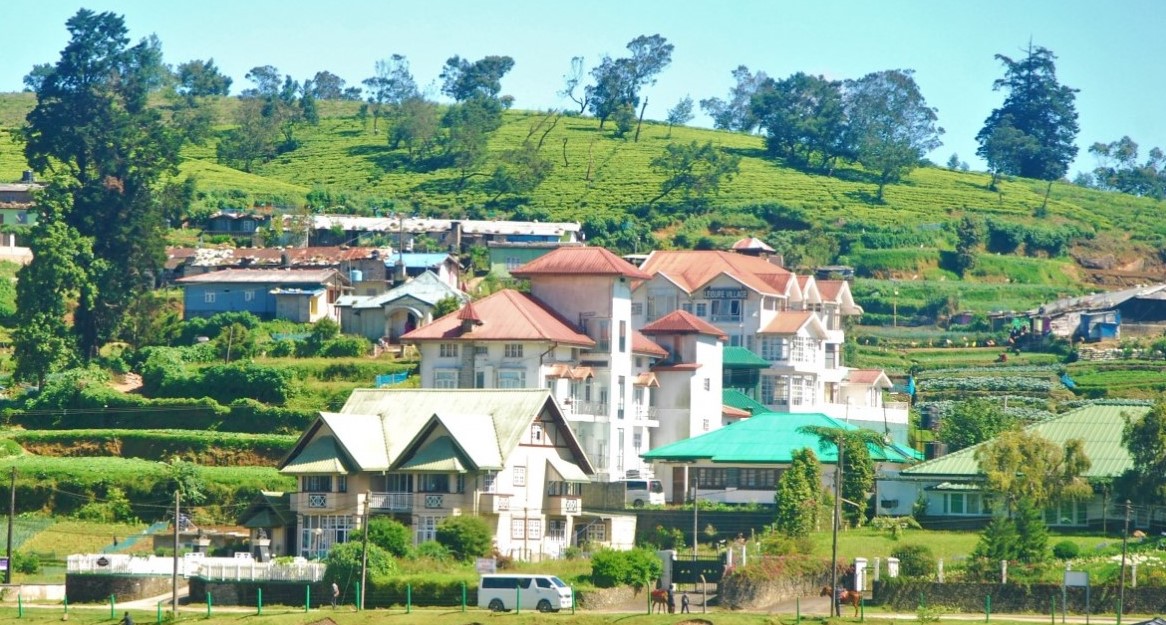
"From taro cultivation in Bogor to village tourism in Banyumas, every village has a story worth telling — and an opportunity worth sharing."
Seven areas of village knowledge
FolderDesa organizes its articles across these interconnected topics, each one grounded in real Indonesian village experience.
What you'll find on FolderDesa
Practical articles written by contributors who understand village life.
Agriculture & Cultivation
Articles on taro (talas bogor), dragon fruit, crystal guava, durian, oyster mushrooms, and tabulampot grapes — plus livestock such as dairy goats and Merino sheep.
Village-Owned Enterprises
Guides on establishing BUMDes, the differences from cooperatives, and why professional phased management matters for village economic growth.
Village Tourism
Coverage of destinations like Desa Karangkemiri in Banyumas, where outbound activities and a swimming pool helped tourism contribute Rp 50 million to village income in 2021.
Culinary Traditions
Indonesian village foods, Sundanese heritage dishes, spiced drinks, infused waters, seafood street-food ideas, and home-industry snack production.
Business Opportunities
From dried wood ear mushrooms and kopyor coconut seedlings to ecoprint crafting, bamboo crafts, and mina padi integrated rice-fish farming.
Village News & Community
Reports on social assistance programs like PKH, village governance structures, and practical tips such as safe homecoming travel during mudik season.
How Villages Can Secure Government Funding for Infrastructure
A village road, irrigation channel, clean-water system, bridge, or public market can transform daily life and local income. Yet funding is rarely obtained through a simple form. Village officials must connect the proposed project with official development plans, demonstrate public benefit, prepare a realistic budget, and follow the correct government channel.
In Indonesia, infrastructure financing may come from Dana Desa, the village budget, regency or provincial programs, or a ministry grant. Each source has different eligibility rules and submission procedures. Understanding these differences helps village governments avoid incomplete proposals and prevents communities from promising projects that cannot legally be financed.
The strongest applications begin with a documented local need. They also show how the project supports food security, public services, economic activity, disaster resilience, or the village’s approved development priorities.
Identify The Right Funding Channel
Dana Desa is generally planned through the village development process and recorded in the APBDes. It is not the same as a competitive grant that a village can request directly whenever it wishes. National regulations determine eligible uses, while the village government and community decide priorities through formal planning and budgeting.
For larger projects, villages may seek support from the regency government, provincial agencies, or a relevant ministry. A damaged district road may fall under the regency’s authority, while agricultural water infrastructure may involve the agriculture or public works office. Confirming ownership and authority is essential before preparing a proposal.
Village officials should contact the subdistrict office, regency planning agency, technical agency, or ministry representative to obtain the latest application guide. Requirements can change by fiscal year, so an old template or outdated regulation may weaken an otherwise useful proposal.
Turn A Local Need Into Evidence
A persuasive infrastructure proposal explains the problem with specific evidence. Include the number of affected households, road length, flood frequency, agricultural area served, school or health access issues, and estimated economic losses. Photos, location maps, damage records, and attendance lists from community meetings make the need easier to verify.
The proposal should also describe measurable results. For example, a farm road project could aim to reduce transport time, lower post-harvest costs, and connect producers with a village market. A clean-water project might state the number of households to be served, expected service coverage, and a plan for routine maintenance.
Economic context can strengthen the case when it is directly linked to the infrastructure. Villages developing agricultural value chains, including the organic coffee cooperatives emerging in Central Java, can explain how roads, drying facilities, storage buildings, or water access support local producers and employment.
Align The Proposal With Village Planning
A grant request should match the village’s RPJMDes and annual RKPDes. These documents show that the project has passed through the village planning process rather than being created only after an opportunity for funding appears. The proposal should use consistent project names, locations, output targets, and budget figures across all documents.
Community discussion is usually conducted through dusun meetings, village deliberations, and Musrenbangdes. Keep signed minutes, participant lists, priority rankings, and formal decisions. These records demonstrate community participation and help resolve disputes about land, beneficiaries, or project placement.
Before submission, check whether the proposed asset belongs to the village or another level of government. A village should not build on disputed land or take responsibility for maintaining an asset controlled by a different institution. Written land status, permission from the asset owner, and a maintenance agreement can prevent problems later.
Match The Project To The Funding Route
| Funding route | Suitable use | Main planning basis | Usual coordination |
|---|---|---|---|
| Dana Desa | Eligible village-scale services and infrastructure | RKPDes and APBDes | Village government, subdistrict, regency |
| Regency budget | Roads, bridges, drainage, and services under regency authority | Regency development plan and budget | Technical agency and Bappeda |
| Provincial budget | Projects with cross-district or provincial importance | Provincial work plan and budget | Provincial agency and regency |
| Ministry program | Sector-specific infrastructure and national priorities | Program guidelines and ministry plans | Relevant ministry, agency, and local government |
| Community self-help funding | Small facilities supported by labor or local materials | Village agreement and implementation plan | Village government and community group |
The correct route depends on project scale, asset ownership, technical standards, and the program’s annual priorities. A village may need to submit the same basic information to several institutions, but it should not send contradictory budgets or claim that one funding source has already been approved.
Ask the receiving agency whether the application is open, whether proposals must be submitted through an electronic system, and whether a technical design or cost estimate is required. Record the name of the officer, submission deadline, reference number, and any requested revisions.
Prepare A Complete Technical And Financial File
A basic application commonly includes a cover letter, village head decree or authorization, proposal narrative, location map, drawings, volume calculations, budget estimate, beneficiary data, land documents, photographs, and meeting records. The exact list depends on the program, so use the official checklist rather than relying on a generic template.
The budget should separate materials, labor, equipment, transport, taxes where applicable, and supporting costs. Use reasonable local prices and explain the source of unit rates. Inflated quantities, unexplained contingencies, or a budget that ignores transport to a remote hamlet can trigger clarification or rejection.
Technical feasibility matters as much as financial need. A drainage channel needs an appropriate slope and outlet; a bridge needs a safe design; a water system needs a reliable source and an operator. When village staff lack engineering capacity, request assistance from the regency technical office or a qualified consultant.
Submit Transparently And Track The Process
Submit through the channel named in the guidelines: official correspondence, an agency portal, a local government system, or a coordinated proposal through the regency. Keep stamped receipts, digital submission evidence, file versions, and correspondence. A complete archive allows the village to respond quickly when reviewers ask for corrections.
Do not pay unofficial fees or rely on verbal promises. Government grants are assessed through administrative, technical, and budget procedures. If a project is approved, the village should obtain the written decision, funding amount, implementation schedule, reporting requirements, and rules for procurement before beginning work.
Coordinate with the village council, community groups, beneficiary households, and the oversight body throughout the process. Publicly explain the project scope, funding source, contractor or community implementation model, and expected completion date. Transparency builds trust and makes it easier to detect cost or quality problems.
Keep The Infrastructure Useful After Completion
A grant application should include an operations and maintenance plan. Identify who will clean drains, repair pumps, manage a market building, maintain a bridge approach, or collect a reasonable service contribution. Set aside a lawful maintenance budget and define responsibilities before construction ends.
The village should inspect work against the approved volume, specifications, and drawings. Photograph progress, record community labor, retain invoices and delivery notes, and prepare financial and physical reports on schedule. These records protect village officials and provide evidence for future funding requests.
Use this practical checklist before submitting:
- Confirm the project’s authority, land status, and eligible funding source.
- Match the proposal with RPJMDes, RKPDes, Musrenbangdes records, and APBDes where required.
- Attach maps, photos, beneficiary data, technical designs, and a realistic cost estimate.
- Obtain written guidance from the receiving agency and keep proof of submission.
- Assign an operator and maintenance budget for the completed asset.
A well-prepared infrastructure request is more than a funding appeal. It is a public accountability document showing why the project matters, how it will be built, who will benefit, and how the asset will serve residents for years. Village governments can begin by documenting the need, convening an open planning discussion, and requesting the latest official guidelines from the appropriate agency.

Questions or story ideas from your village?
FolderDesa welcomes readers who want to share village experiences or learn more about the topics covered on the site.
Visit the Contact Page