
FolderDesa brings together practical knowledge on farming, village-owned enterprises, culinary traditions, rural tourism, and small-business ideas — all rooted in the everyday life of Indonesian villages.
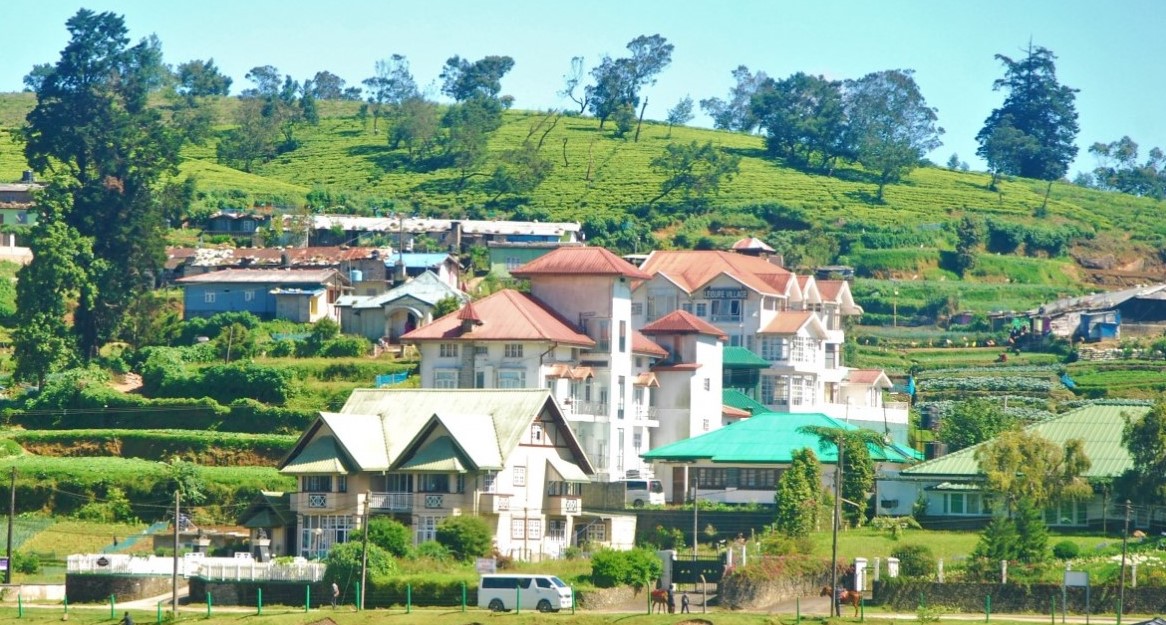
"From taro cultivation in Bogor to village tourism in Banyumas, every village has a story worth telling — and an opportunity worth sharing."
Seven areas of village knowledge
FolderDesa organizes its articles across these interconnected topics, each one grounded in real Indonesian village experience.
What you'll find on FolderDesa
Practical articles written by contributors who understand village life.
Agriculture & Cultivation
Articles on taro (talas bogor), dragon fruit, crystal guava, durian, oyster mushrooms, and tabulampot grapes — plus livestock such as dairy goats and Merino sheep.
Village-Owned Enterprises
Guides on establishing BUMDes, the differences from cooperatives, and why professional phased management matters for village economic growth.
Village Tourism
Coverage of destinations like Desa Karangkemiri in Banyumas, where outbound activities and a swimming pool helped tourism contribute Rp 50 million to village income in 2021.
Culinary Traditions
Indonesian village foods, Sundanese heritage dishes, spiced drinks, infused waters, seafood street-food ideas, and home-industry snack production.
Business Opportunities
From dried wood ear mushrooms and kopyor coconut seedlings to ecoprint crafting, bamboo crafts, and mina padi integrated rice-fish farming.
Village News & Community
Reports on social assistance programs like PKH, village governance structures, and practical tips such as safe homecoming travel during mudik season.
Building a Village Youth Skill Centre for Carpentry and Welding
A village youth skill centre can turn practical talent into reliable income. In many Indonesian villages, young people already repair motorbikes, build furniture, install roofs, or help relatives on farms. What they often lack is structured training, safe equipment, recognised work samples, and a clear path from learning to paid jobs.
For readers in Australia, the idea has familiar parallels with TAFE workshops, school-based apprenticeships, and community men’s sheds. The setting is different, yet the principle is similar: a modest facility can connect local knowledge with market demand. A well-run centre can support household businesses, village-owned enterprises, construction crews, and rural tourism projects while giving young people a reason to build their future locally.
Why A Village Workshop Matters
Youth unemployment and underemployment can place pressure on village families. Some young residents leave for Jakarta, Surabaya, Bali, or overseas work because they cannot see a pathway for developing useful skills at home. A carpentry and metalworking workshop offers a practical alternative, especially when its courses respond to real village needs.
The centre should begin with a local skills and market survey. Speak with builders, farmers, shop owners, schools, guesthouse operators, and village officials. They may identify demand for doors, tables, food stalls, wheelbarrow repairs, steel gates, roof supports, shelving, or welding services. Information about village development can also be found through rural development stories, helping organisers compare ideas and identify workable community models.
The strongest centres are connected to gotong royong, Indonesia’s tradition of mutual assistance. Community labour can help prepare the building, while local businesses may donate offcuts, tools, or safety equipment. This shared ownership matters because a centre that belongs only to a committee can quickly become underused.
Designing Practical Training
Training should combine short theory sessions with supervised production. Beginners can learn measuring, marking, hand-tool use, timber selection, drilling, grinding, welding joints, corrosion prevention, and basic costing. Lessons should end with a useful product rather than an abstract exercise, such as a school desk, chicken coop, market display, or simple farm gate.
A staged programme may run for three to six months. The first phase covers workshop safety and tool identification. The second develops core carpentry and welding techniques. The final phase involves a small team project commissioned by a real customer. This gives participants experience with drawings, material purchasing, deadlines, quality checks, and customer communication.
Australian training habits offer useful reference points. A centre could adapt the discipline of TAFE competency units without copying the full certification system. Trainers might also study apprenticeship models in regional cities such as Geelong, Toowoomba, or Newcastle, where practical trades support manufacturing, agriculture, construction, and maintenance work.
Assessment should be visible and fair. Participants can keep a skills logbook containing measurements, photographs, supervisor comments, and completed projects. A local builder or fabricator can join an assessment panel, making the certificate more credible when graduates approach employers or customers.
Equipping A Safe Productive Workshop
The building does not need to be large, but it must have good airflow, bright lighting, secure storage, separate work zones, and a clear emergency route. Welding should take place away from timber, fuel, paint, and crowded teaching areas. A basic first-aid station, fire extinguishers, eye-wash supplies, and protective clothing should be available before classes begin.
| Workshop area | Essential equipment | Early training output |
|---|---|---|
| Carpentry bay | Workbenches, saws, drills, clamps, planes, squares | Stools, shelves, frames |
| Welding bay | Welding machines, leads, clamps, grinders, screens | Brackets, gates, repairs |
| Finishing area | Sanding tools, brushes, ventilation, drying racks | Painted furniture and signs |
| Storage zone | Lockable cabinets, timber racks, gas-cylinder restraints | Safer inventory control |
| Teaching corner | Whiteboard, sample joints, measuring tools, logbooks | Drawings and cost plans |
Tool purchasing should follow the curriculum instead of enthusiasm. A few durable machines are more valuable than a large collection of donated equipment that cannot be maintained. For welding, organisers must plan for a stable power supply, suitable electrical protection, cylinder storage, and regular inspection. Australian readers will recognise the importance of principles reflected in AS/NZS 1674.1 welding safety guidance, although Indonesian operators must also follow applicable national and local regulations.
Safety must be taught as a daily habit. Participants should inspect leads, guards, blades, gas hoses, and protective equipment before work begins. No student should operate machinery alone, and every job should have a written risk check. These routines protect learners and make the centre more attractive to responsible employers.
Connecting Skills To Local Income
The centre becomes sustainable when it produces useful work without turning trainees into unpaid labour. Early contracts might come from the village office, schools, farms, food stalls, homestays, or a BUMDes-managed enterprise. A transparent pricing system should separate material costs, trainer wages, maintenance, administration, and trainee allowances.
Rural tourism creates additional opportunities. A village near a waterfall, cultural site, or coastal destination may need signs, benches, display stands, bicycle racks, rubbish stations, and simple accommodation furniture. In Australia, similar demand appears around farm stays, weekend markets, caravan parks, and community festivals. Local Indonesian villages can adapt these ideas to their own landscape and traditions rather than copying imported designs.
Marketing can start with photographs, a simple price list, and a WhatsApp business account. Graduates should be encouraged to form small teams specialising in furniture, farm repairs, construction components, or decorative metalwork. A shared workshop booking system allows independent businesses to use expensive equipment while paying a modest maintenance fee.
Quality control protects the centre’s reputation. Every commissioned item should have a basic job sheet, agreed dimensions, delivery date, and final inspection. If a table wobbles or a welded gate fails, the centre should repair it and record the cause. Such accountability is more valuable than claiming every project was perfect.
Managing The Centre For Long-Term Value
Governance should include a village official, trainer, youth representative, local tradesperson, and financial officer. Their roles need to be written down, including who approves purchases, controls keys, sets fees, handles complaints, and reports income. Publishing monthly accounts on a noticeboard can prevent suspicion and strengthen public support.
The first intake should be small enough for close supervision. Selection can consider motivation, attendance, basic literacy, and willingness to follow safety rules rather than family connections. Young women should be actively welcomed, particularly in design, finishing, fabrication, estimating, and business administration. A mixed cohort can broaden the centre’s products and customer base.
- Set a written safety policy before purchasing machinery.
- Match each course module to a local product or service.
- Reserve income for tool repairs, consumables, and trainer development.
- Build partnerships with BUMDes, schools, builders, and agricultural groups.
- Track graduate employment, business launches, earnings, and repeat customers.
The centre should review its performance every six months. Useful measures include attendance, completed products, accident records, customer satisfaction, equipment downtime, and graduate income. If demand shifts from furniture to farm machinery repairs, the programme should respond. A small, trusted workshop that earns steadily will serve the village better than an impressive facility that lacks discipline and customers.
The practical starting point is simple: survey local demand, appoint a competent safety-minded trainer, begin with manageable equipment, and make the first projects useful to the community. Skills become economic opportunity when training, safety, market knowledge, and honest management operate together.

Questions or story ideas from your village?
FolderDesa welcomes readers who want to share village experiences or learn more about the topics covered on the site.
Visit the Contact Page