
FolderDesa brings together practical knowledge on farming, village-owned enterprises, culinary traditions, rural tourism, and small-business ideas — all rooted in the everyday life of Indonesian villages.
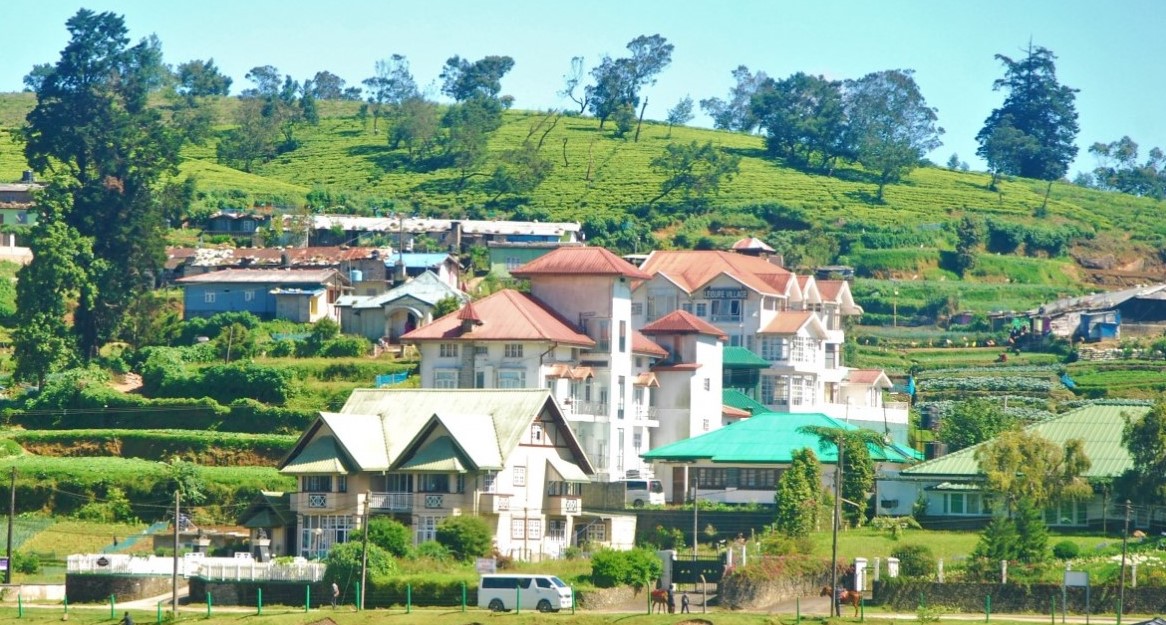
"From taro cultivation in Bogor to village tourism in Banyumas, every village has a story worth telling — and an opportunity worth sharing."
Seven areas of village knowledge
FolderDesa organizes its articles across these interconnected topics, each one grounded in real Indonesian village experience.
What you'll find on FolderDesa
Practical articles written by contributors who understand village life.
Agriculture & Cultivation
Articles on taro (talas bogor), dragon fruit, crystal guava, durian, oyster mushrooms, and tabulampot grapes — plus livestock such as dairy goats and Merino sheep.
Village-Owned Enterprises
Guides on establishing BUMDes, the differences from cooperatives, and why professional phased management matters for village economic growth.
Village Tourism
Coverage of destinations like Desa Karangkemiri in Banyumas, where outbound activities and a swimming pool helped tourism contribute Rp 50 million to village income in 2021.
Culinary Traditions
Indonesian village foods, Sundanese heritage dishes, spiced drinks, infused waters, seafood street-food ideas, and home-industry snack production.
Business Opportunities
From dried wood ear mushrooms and kopyor coconut seedlings to ecoprint crafting, bamboo crafts, and mina padi integrated rice-fish farming.
Village News & Community
Reports on social assistance programs like PKH, village governance structures, and practical tips such as safe homecoming travel during mudik season.
Building a Village Waste Bank to Sort and Recycle Plastic
Every morning along the coast of Java and Sumatra, fishermen haul in nets tangled with plastic bags, food wrappers, and drink bottles that did not come from the sea. The same rubbish lines irrigation ditches in Java, blocks drainage in Sulawesi, and clutters the edges of rice paddies in Bali. Indonesian villages produce a growing share of the country's plastic waste, yet most kerbside recycling trucks never reach them. A waste bank offers a practical answer: a village-owned depot where households trade sorted plastic for cash or savings, and where local entrepreneurs turn what was rubbish into income.
Australian readers will recognise the bones of this idea. The Container Deposit Scheme operating in states such as New South Wales, Victoria, Queensland, and Western Australia lets people hand in eligible drink containers for a small refund per item. The Northern Territory runs a similar scheme, and South Australia has had one since the 1970s. What works in a Brisbane servo car park or a Melbourne shopping strip can also work at the village balai, provided the model is trimmed to local habits.
A waste bank is not a tip. It is a small building, often a converted shed or a corner of the village office, with a scale, a few labelled sacks, and a book of household accounts. Participants separate plastic at home, bring it in on a set day, and receive a credit recorded in a passbook. The bank then sells the bulked plastic to a recycler or a broker, and the income funds prizes, infrastructure, or simply goes back to the savers.
What follows is a practical walk-through of how to establish one. It covers the social groundwork, the physical setup, the sorting rules, the markets, and the small admin habits that keep a village recycling scheme alive past the first year.
Getting the village to say yes before you start
The first hurdle is rarely money. It is trust. In many villages, a new scheme is treated with the same suspicion once reserved for travelling salesmen: people want to know who is behind it and whether the takings will disappear. A meeting held at the village hall, or at a regular pengajian gathering, lets elders ask hard questions in front of their peers. A good first session explains what will be collected, what will be paid, and who will handle the cash. Bringing a sample sack of pressed plastic and a clear price list calms nerves faster than any speech.
Australian community organisers have learned that a launch at a local market stall or a footy club room works better than a council flyer. The same logic applies here. A launch day tied to a pasar malam, a village sports carnival, or an Independence Day bazaar event pulls in casual visitors and turns waste sorting into something curious rather than suspicious. Pitching the bank as a village-owned enterprise, linked to the BUMDes, also helps. For a step-by-step look at the kind of community meeting that works, hosting a village forum covers the agenda, the seating, and the small courtesies that matter.
Picking the right spot and the right kit
The depot should sit somewhere central, shaded, and easy to reach by foot or motorbike. A spot beside the village market, near the puskesmas, or alongside the BUMDes office is ideal. It needs a roof, a lockable door, and a concrete floor that can be swept clean. In the wet season, the roof should be checked for drips before the daily rains arrive.
Spend the first grant, donation, or BUMDes capital on a digital scale, a set of labelled sacks, a sturdy press, and a passbook register. Skip the fancy signage for now. A hand-painted sign over the door reads better than a vinyl banner and can be repainted whenever prices change. A simple phone with a camera is enough to keep digital records and send photos of stock to buyers.
Sorting plastic so it actually has value
Buyers rarely want mixed plastic. The cleanest division is clear PET bottles, coloured PET and HDPE containers, and flexible film like sachets and plastic bags. Keeping these three streams apart from the start saves hours later. A fourth bucket for hard plastics, such as buckets and basins, can be added once the first three are running smoothly.
Rinsed and crushed plastic travels further and sells for more. The difference between a sack of dirty, wet bottles and a sack of clean, pressed bottles can be several rupiah per kilogram. Australian recyclers such as Visy and Cleanaway apply the same rule on their industrial lines, and the village bank should treat its small output with the same care.
Finding buyers who will keep coming back
In most villages, the first buyer will be a local broker who runs a truck to a recycling cluster in Surabaya, Medan, or Makassar. Brokers are convenient but pay less. As volume grows, selling directly to a recycling plant or to a social enterprise such as Close the Loop, which turns tricky plastics into outdoor furniture and roads, can lift the margin. Even a few extra rupiah per kilo can pay for a part-time worker at the bank.
Plastic prices move with the global oil price, so the bank should post a fresh price list every month. A simple whiteboard at the depot, with the date written in the top corner, lets participants see what each type is worth. The same list, sent by group message to the village WhatsApp group, keeps everyone honest.
Paying people and keeping the books straight
Some households prefer cash. Others like the idea of a village savings book that builds up like a tiny tabungan. Offering both keeps the bank useful for everyone. A small bonus for children who bring in their own sacks is a cheap way to build the next generation of sorters.
A village bank lives or dies by its books. Two people should sign every cash-out, every sale, and every petty-cash withdrawal. The passbook register, the stock register, and the cashbook should be checked against each other at the end of each month. For a template and a short checklist that fits a village context, starting a village savings scheme walks through the paperwork in plain language.
Growing the bank without losing control
Once plastic is running smoothly, glass, aluminium, and clean cardboard can be added. Cardboard has a steady buyer in most kecamatan towns, and aluminium drink cans often fetch the same per-kilo rate as plastic. Each new stream should be added one at a time, with its own price list and its own corner of the depot.
A dirty depot loses its prestige fast. A weekly sweep, a monthly wash, and a quarterly repaint keep the bank looking like a village institution rather than a dumping ground. The same habit keeps the customers coming back, and keeps the buyers happy when they turn up with a truck.
A village waste bank is a shed, a scale, a few good neighbours, and a book of accounts that balances. Done well, it gives a village a way to turn rubbish into income, plastic into roads, and bottles into money for the next school fee. Keep the books clean, keep the depot tidy, and the bank will outlast its first coordinator.

Questions or story ideas from your village?
FolderDesa welcomes readers who want to share village experiences or learn more about the topics covered on the site.
Visit the Contact Page