
FolderDesa brings together practical knowledge on farming, village-owned enterprises, culinary traditions, rural tourism, and small-business ideas — all rooted in the everyday life of Indonesian villages.
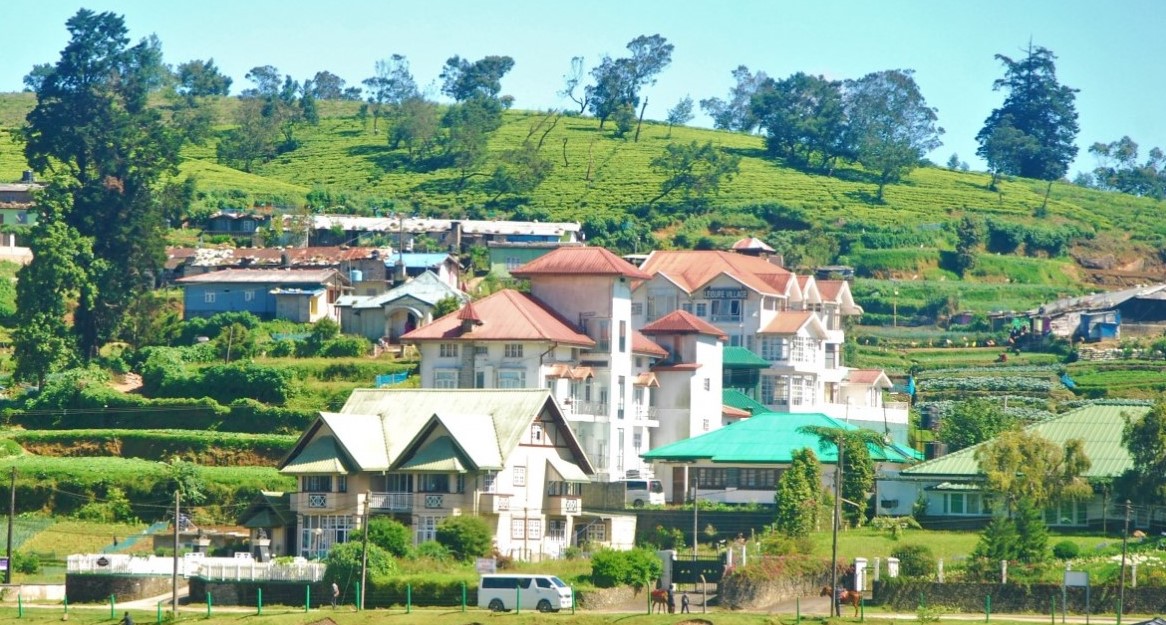
"From taro cultivation in Bogor to village tourism in Banyumas, every village has a story worth telling — and an opportunity worth sharing."
Seven areas of village knowledge
FolderDesa organizes its articles across these interconnected topics, each one grounded in real Indonesian village experience.
What you'll find on FolderDesa
Practical articles written by contributors who understand village life.
Agriculture & Cultivation
Articles on taro (talas bogor), dragon fruit, crystal guava, durian, oyster mushrooms, and tabulampot grapes — plus livestock such as dairy goats and Merino sheep.
Village-Owned Enterprises
Guides on establishing BUMDes, the differences from cooperatives, and why professional phased management matters for village economic growth.
Village Tourism
Coverage of destinations like Desa Karangkemiri in Banyumas, where outbound activities and a swimming pool helped tourism contribute Rp 50 million to village income in 2021.
Culinary Traditions
Indonesian village foods, Sundanese heritage dishes, spiced drinks, infused waters, seafood street-food ideas, and home-industry snack production.
Business Opportunities
From dried wood ear mushrooms and kopyor coconut seedlings to ecoprint crafting, bamboo crafts, and mina padi integrated rice-fish farming.
Village News & Community
Reports on social assistance programs like PKH, village governance structures, and practical tips such as safe homecoming travel during mudik season.
Establishing A Village Seed Bank For Indigenous Crop Varieties
A village seed bank is a practical community system for collecting, storing, multiplying, and sharing locally adapted crop seeds. In Indonesia, it can protect varieties that are disappearing as commercial hybrids become easier to buy. It can also give farmers a stronger supply of planting material when prices rise or transport is disrupted.
The idea suits villages with rice, maize, peanuts, beans, cassava, chillies, leafy vegetables, and traditional fruits. A seed bank does not need an expensive building. A clean, dry room, labelled containers, simple records, and a committed management team can provide a reliable beginning.
For Australian readers, the concept has useful parallels with community seed libraries and garden exchanges in Melbourne, Brisbane, and regional towns. However, Indonesian villages face different conditions, including humid storage environments, seasonal flooding, smallholder plots, and a close relationship between farming, customary knowledge, and village governance.
A successful programme should therefore be treated as both an agricultural project and a community asset. It can support household food security, village-owned enterprises, school education, rural tourism, and local food businesses while keeping valuable genetic resources in farmers’ hands.
Identify Valuable Local Varieties
The first task is to find out which crops and varieties already exist in the village. Farmers, elders, market sellers, cooks, and traditional food producers may know names that do not appear in official records. A short survey should record the crop name, location, growing season, taste, colour, maturity period, yield, and tolerance to drought, flooding, pests, or poor soils.
A variety may be valuable even when its yield is lower than a commercial type. A fragrant rice used for ceremonies, a peanut preferred for roasted snacks, or a chilli with a distinctive flavour may have a strong cultural or market role. Local varieties can also carry traits that become important as rainfall patterns and temperatures change.
Invite farmers from several hamlets to bring samples and tell their stories. The village government can work with agricultural extension officers, schools, women’s groups, and farmer cooperatives to create an initial inventory. Written permission and clear acknowledgement are important when knowledge belongs to a particular family, customary group, or Indigenous community.
Set Rules Before Collecting Seed
A village seed bank needs simple rules that everyone can understand. Decide who may deposit seed, who may withdraw it, how much must be returned after harvest, and whether seed can be sold outside the village. These arrangements should be approved through a village meeting rather than imposed by one committee.
A useful model is a revolving seed system. A farmer receives a measured amount for planting and returns the original quantity plus an agreed portion after harvest. The extra seed becomes available to another household. For crops with poor harvests, the committee can allow repayment extensions so the system does not punish farmers for weather-related losses.
Records should include the donor, collection date, crop name, local name, lot number, test results, and distribution history. If a variety is connected to customary knowledge, the rules should protect attribution and prevent commercial use without consent. This is especially relevant for Australian organisations partnering with Indonesian villages, since Indigenous cultural and intellectual property expectations must be respected.
Build A Low-Cost Storage Room
Seed quality declines quickly when moisture, heat, insects, and rodents are not controlled. Choose a room above flood level, away from cooking smoke and chemical fertilisers. Shelves should keep containers off the floor and walls. Good airflow matters, but windows need screens to reduce insects and excessive humidity.
Clean glass jars, food-grade plastic containers, or sealed foil packets can work for many village collections. Each container needs a durable label with the local name, crop, harvest year, and lot number. Silica gel or another safe drying material can help, but it must be separated from the seed and checked regularly.
A small solar-powered fan, moisture meter, or solar dryer may be worthwhile where electricity is unreliable. The equipment should be selected for repairability. A sophisticated freezer that cannot be serviced locally may be less useful than an orderly cool cupboard managed every week.
Compare Crops And Storage Needs
Different seeds require different handling. Dry grains generally store more easily than oily seeds, while some crops must be regenerated frequently to maintain germination. The committee should create a crop calendar that shows when each variety is planted, inspected, harvested, dried, and tested.
| Crop group | Examples | Main storage concern | Useful village practice |
|---|---|---|---|
| Dry grains | Rice, maize, sorghum | Moisture and weevils | Dry thoroughly and inspect monthly |
| Pulses | Beans, mung beans, peanuts | Insects and rancidity | Store mature, clean seed in airtight containers |
| Vegetable seed | Chilli, tomato, leafy greens | Short viability and mould | Save from healthy plants and renew regularly |
| Root crops | Cassava, sweet potato | Seed is not usually stored as dry grain | Maintain living planting plots or cuttings |
| Tree crops | Coconut, local fruit trees | Large size and slow multiplication | Maintain mother trees and nursery records |
Peanuts illustrate why crop-specific guidance matters. Farmers should select healthy pods from strong plants, dry them properly, and protect them from moisture and pests. A practical reference on a peanut growing guide can support training, but local trials should still determine the best variety and planting time.
Test Germination And Renew Stocks
Before distribution, test a small sample from every seed lot. Place a known number of seeds between damp cloth or paper, keep them warm, and count healthy sprouts after the appropriate period. The result gives the committee a basic germination percentage and helps identify lots that need replacement.
A simple register can mark lots as ready, monitor, or unsuitable. Seed with weak germination should not be discarded immediately if it has cultural importance. It may be planted in a multiplication plot, where farmers can produce fresh seed under careful supervision.
The bank should maintain living backup plots each season. This is essential for crops such as cassava and sweet potato, which are usually preserved as cuttings rather than dry seed. In Australia, community gardens often learn that a seed library depends on regular growing and renewal; a jar left untouched for years is not a living conservation system.
Connect The Bank To Local Income
A seed bank can strengthen a village economy when it is linked to products people already buy. Local rice, peanuts, beans, herbs, and chillies may supply village-owned enterprises, traditional snack makers, restaurants, homestays, and weekend markets. In Sydney or Melbourne, buyers increasingly look for traceable and distinctive food, while visitors to Indonesian villages often value products with a clear local story.
The committee should separate conservation stock from commercial stock. A farmer may multiply a protected variety for sale, while a smaller reserve remains untouched except for controlled renewal. Packaging can name the village, variety, harvest season, and farmer group without making unsupported claims about health or heritage.
Rural tourism offers another pathway. Visitors can tour a seed garden, learn about drying and storage, or join a cooking demonstration. Any tourism activity should follow local customs and avoid turning sacred knowledge or culturally restricted crops into entertainment.
Govern The Programme For Continuity
Assign clear roles to a seed keeper, record officer, treasurer, multiplication coordinator, and oversight group. Include women and young farmers because they often manage household gardens, food processing, and market relationships. A school plot can teach students how crop diversity supports nutrition and resilience.
The village budget may fund containers, shelving, testing materials, and training during the first year. Later costs can be covered through modest membership fees, seed sales, product partnerships, or a BUMDes enterprise, provided the community retains control of the genetic resources.
Begin with five to ten important varieties rather than attempting to preserve every crop immediately. During the next village meeting, appoint a seed-bank team and complete a one-page inventory of local varieties, including the first collection date and the farmer responsible for each sample.

Questions or story ideas from your village?
FolderDesa welcomes readers who want to share village experiences or learn more about the topics covered on the site.
Visit the Contact Page