
FolderDesa brings together practical knowledge on farming, village-owned enterprises, culinary traditions, rural tourism, and small-business ideas — all rooted in the everyday life of Indonesian villages.
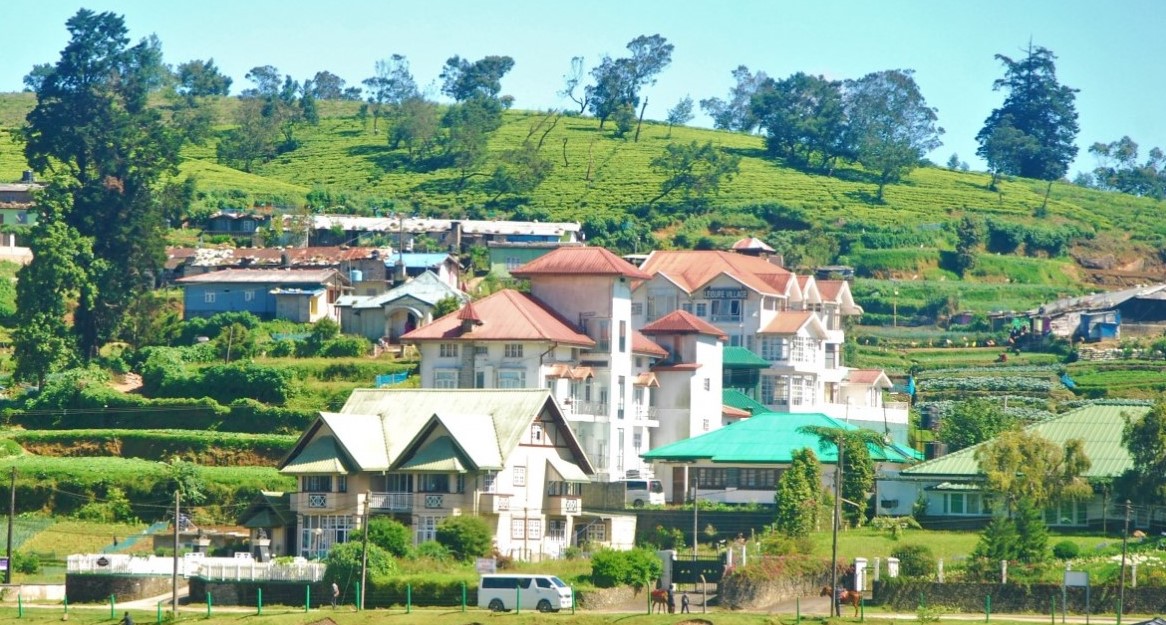
"From taro cultivation in Bogor to village tourism in Banyumas, every village has a story worth telling — and an opportunity worth sharing."
Seven areas of village knowledge
FolderDesa organizes its articles across these interconnected topics, each one grounded in real Indonesian village experience.
What you'll find on FolderDesa
Practical articles written by contributors who understand village life.
Agriculture & Cultivation
Articles on taro (talas bogor), dragon fruit, crystal guava, durian, oyster mushrooms, and tabulampot grapes — plus livestock such as dairy goats and Merino sheep.
Village-Owned Enterprises
Guides on establishing BUMDes, the differences from cooperatives, and why professional phased management matters for village economic growth.
Village Tourism
Coverage of destinations like Desa Karangkemiri in Banyumas, where outbound activities and a swimming pool helped tourism contribute Rp 50 million to village income in 2021.
Culinary Traditions
Indonesian village foods, Sundanese heritage dishes, spiced drinks, infused waters, seafood street-food ideas, and home-industry snack production.
Business Opportunities
From dried wood ear mushrooms and kopyor coconut seedlings to ecoprint crafting, bamboo crafts, and mina padi integrated rice-fish farming.
Village News & Community
Reports on social assistance programs like PKH, village governance structures, and practical tips such as safe homecoming travel during mudik season.
Establishing a Village Mango Pickle and Chutney Production
Mangoes are more than a seasonal fruit in many Indonesian villages. When harvests become abundant and prices fall, a small processing unit can turn ripe and unripe mangoes into pickles, chutney, sambal-style relishes, and gift products with a longer shelf life. This creates work close to home while giving farmers another way to earn from the same orchard.
For readers in Australia, the idea has a familiar parallel. Mango-growing areas around the Northern Territory, Queensland and Western Australia also face seasonal supply peaks, while shoppers in Sydney and Melbourne increasingly look for regional, multicultural and small-batch foods. A well-managed village enterprise can serve local Indonesian households first, then explore specialty shops, restaurants and farmers’ markets.
Choosing The Product And Customer
The first decision is whether the enterprise will focus on Indonesian-style mango pickle, sweet-and-spicy chutney, or several products with different levels of heat. A pickle may use green mango, salt, chilli, garlic and spices, while chutney often combines ripe mango with sugar, vinegar, onion and aromatic ingredients. Offering a mild version can attract families and Australian customers who enjoy fruit relishes with grilled meat or cheese.
Customer testing should happen before buying equipment. A village team can prepare small batches and invite farmers, teachers, shop owners, food stall operators and young adults to score flavour, texture, acidity and packaging. Indonesian communities in Melbourne, Perth and Brisbane may appreciate familiar sour and spicy flavours, while mainstream Australian shoppers may prefer a balanced chutney labelled as a sandwich spread or barbecue accompaniment.
Securing Mangoes And Ingredients
A dependable supply begins with agreements among growers. The production group can buy fruit that is sound but too small, marked, or uneven for fresh markets. Green mangoes need firmness and clean skin; ripe mangoes should have good aroma and colour without fermentation or mould. A simple buying schedule, recorded by weight, gives growers confidence and helps the processor forecast weekly production.
Spices, vinegar, salt, sugar and cooking oil should come from reliable suppliers, with prices reviewed each month. The team should record the mango variety because flavour and pulp yield differ between types such as Indonesian harum manis and Australian Kensington Pride or R2E2. Using Australian dollars in a feasibility budget can make comparisons easier for potential buyers, especially when calculating freight, jars and market stall fees.
Designing A Safe Processing Space
A village processing room does not need to be large, but it must be clean, organised and easy to wash. Separate areas should be provided for receiving fruit, peeling and cutting, cooking, filling containers and storing finished goods. Workers need clean aprons, hair coverings, handwashing facilities and a routine for sanitising knives, boards, tables and utensils.
Food safety is central when selling beyond the village. The recipe must control acidity, heat treatment and contamination risks, and every batch should be recorded with a production date and lot code. If products are sold in Australia, the enterprise must check the requirements of Food Standards Australia New Zealand, including ingredient declarations, allergen information, nutrition labelling where applicable, and rules for imported food. Advice from a qualified food technologist is worthwhile before commercial distribution.
Building A Practical Production System
Start with a pilot batch rather than a full factory. A stainless-steel cooking pot, weighing scales, cutting tools, a refractometer if suitable, filling equipment and durable glass jars may be enough for initial trials. The team should measure each ingredient precisely so that the same taste can be reproduced when production expands.
Standard operating procedures should cover fruit inspection, washing, cutting, cooking temperature, filling, cooling, cleaning and stock rotation. A batch sheet can show how many kilograms of mango were used, how many jars were produced, and how much waste occurred. This information helps the village-owned enterprise calculate the real cost per jar instead of relying on guesswork.
Packaging, Branding And Sales
Packaging should communicate place, flavour and use. A label might feature the village name, a short story about local growers, the net weight, ingredients, best-before date and storage instructions. Reusable glass jars can appeal to environmentally conscious shoppers, although their weight and breakage risk must be included in delivery calculations. A smaller jar may work well for gift packs and first-time buyers.
Sales can begin through village shops, cafés, homestays, restaurants and regional tourism events. Australian-style farmers’ markets often reward attractive displays, tasting samples and clear information about how to serve the product. Chutney can be paired with cheddar, roast vegetables or a barbecue plate, while spicy pickle may be promoted with rice, noodles and Indonesian dishes. Digital promotion should show the people, orchards and preparation process; online promotion can help the enterprise reach customers beyond its immediate area when used alongside local selling.
Managing Money And Growing Carefully
The business plan should separate one-off investment from regular operating costs. Equipment, room repairs and label design are initial expenses; fruit, packaging, wages, fuel, utilities, market fees and delivery are recurring costs. A simple break-even calculation shows how many jars must be sold each month to cover expenses. It also reveals whether a low retail price is sustainable.
A cooperative structure can distribute work among growers, processors, packers and sales staff. Profits may be divided according to agreed rules, with a portion reserved for maintenance, training and future purchasing. Transparent records are especially important when a BUMDes is involved, because villagers need to see how public or community capital is being used. Local reporting and village news coverage can also document progress and build trust among residents, buyers and partners.
Growth should follow proven demand. After several consistent production cycles, the enterprise might add mango sauce, dried mango or seasonal gift hampers, but each new product brings fresh testing and labelling duties. Exporting to Australia is a later possibility, not the first target; the strongest foundation is a safe, repeatable product with loyal buyers and reliable growers.
The next practical step is to form a five-person village team and run a 20-kilogram mango trial, recording the recipe, costs, yield, customer feedback and food-safety procedures from preparation through sale.

Questions or story ideas from your village?
FolderDesa welcomes readers who want to share village experiences or learn more about the topics covered on the site.
Visit the Contact Page