
FolderDesa brings together practical knowledge on farming, village-owned enterprises, culinary traditions, rural tourism, and small-business ideas — all rooted in the everyday life of Indonesian villages.
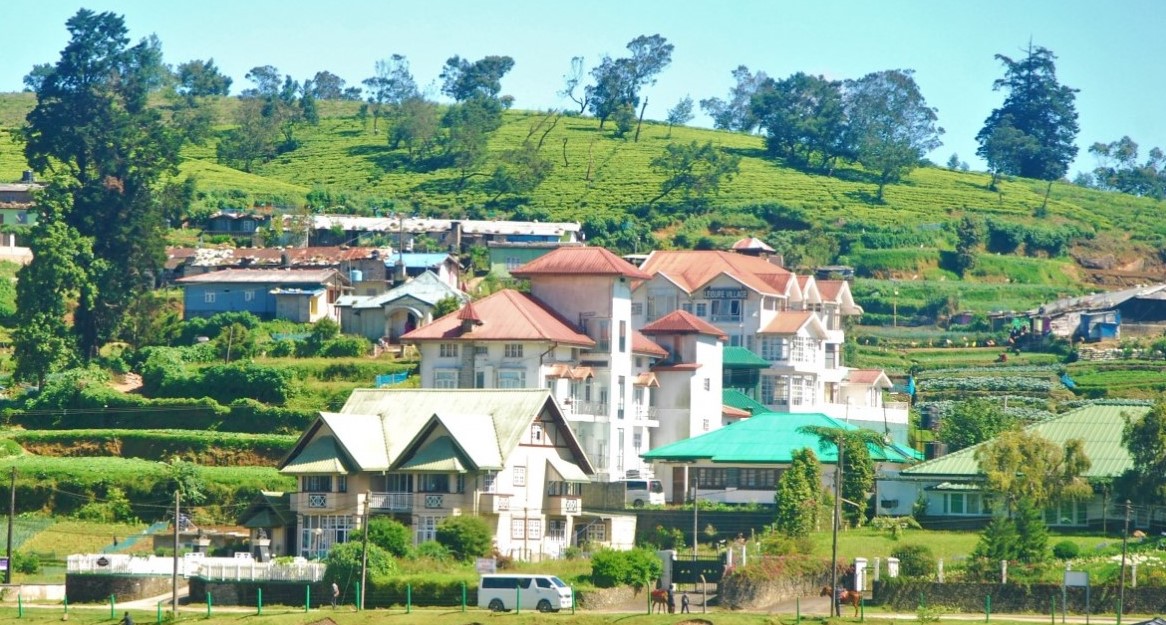
"From taro cultivation in Bogor to village tourism in Banyumas, every village has a story worth telling — and an opportunity worth sharing."
Seven areas of village knowledge
FolderDesa organizes its articles across these interconnected topics, each one grounded in real Indonesian village experience.
What you'll find on FolderDesa
Practical articles written by contributors who understand village life.
Agriculture & Cultivation
Articles on taro (talas bogor), dragon fruit, crystal guava, durian, oyster mushrooms, and tabulampot grapes — plus livestock such as dairy goats and Merino sheep.
Village-Owned Enterprises
Guides on establishing BUMDes, the differences from cooperatives, and why professional phased management matters for village economic growth.
Village Tourism
Coverage of destinations like Desa Karangkemiri in Banyumas, where outbound activities and a swimming pool helped tourism contribute Rp 50 million to village income in 2021.
Culinary Traditions
Indonesian village foods, Sundanese heritage dishes, spiced drinks, infused waters, seafood street-food ideas, and home-industry snack production.
Business Opportunities
From dried wood ear mushrooms and kopyor coconut seedlings to ecoprint crafting, bamboo crafts, and mina padi integrated rice-fish farming.
Village News & Community
Reports on social assistance programs like PKH, village governance structures, and practical tips such as safe homecoming travel during mudik season.
Building A Safe Village First Aid Post With Basic Medicines
A first aid post can give an Indonesian village a reliable place to manage minor injuries, provide health advice, and recognise emergencies early. It does not replace a puskesmas, clinic, midwife, or hospital. Its value lies in making immediate help available when distance, transport, weather, or cost delays professional care.
For Australian readers involved in village partnerships, tourism, farming projects, or community development, the model is familiar. A well-run post resembles a small bush community first aid point: modest in size, carefully stocked, clearly governed, and connected to higher-level medical services.
The strongest facilities are designed around local risks rather than an impressive list of medicines. A coastal village may need supplies for cuts, fish spines, dehydration, and motorbike accidents, while a farming community may see pesticide exposure, sprains, burns, and snake bites. Practical reporting from FolderDesa magazine can help supporters understand this village-level setting.
The aim is safe first response. Every medicine should have a clear purpose, a known dosage, an expiry date, and a person responsible for its use. Simple equipment, accurate records, clean water, and referral procedures often matter more than a crowded cabinet.
Define The Post’s Role
Begin with a written scope approved by the village government, health workers, and community representatives. The post might provide wound cleaning, bandaging, oral rehydration, temperature checks, basic health education, and referral support. It should not diagnose complex illness, dispense prescription-only medicines casually, or delay ambulance or clinic care.
Choose a name and sign that residents understand. “First Aid Post” should communicate immediate assistance, while contact details for the nearest puskesmas, midwife, ambulance, and village health cadre should be displayed in large print. For Australian visitors, an English translation can sit beside Bahasa Indonesia.
The facility should serve farmers, children, older residents, workers, and tourists fairly. Opening hours can match local routines, such as early mornings before field work and late afternoons after school. A phone number for urgent advice is useful when the room is closed.
Choose A Safe And Accessible Location
A first aid post needs a clean, shaded, well-ventilated room near a road or village centre. It should be accessible to people using walking sticks, wheelchairs, or motorbikes, with a stable floor, good lighting, handwashing facilities, and enough privacy for an assessment.
Keep medicines in a lockable cabinet, separate from cleaning chemicals, fertiliser, fuel, and food. A small refrigerator may be needed for selected items, but only if electricity is dependable and temperatures can be monitored. A solar backup or insulated transport box may be worthwhile in remote areas.
The building should also withstand local hazards. Flooding, high humidity, smoke, and earthquakes can damage stock and records. Australian project partners will recognise similar planning issues in remote Queensland or the Northern Territory, where heat, long travel distances, and bushfire conditions shape community health services.
Select A Focused Medicine Kit
A basic kit may include sterile gauze, adhesive dressings, bandages, triangular slings, antiseptic solution, disposable gloves, masks, tweezers, scissors, a thermometer, a torch, and a blood pressure monitor. Add soap, hand sanitiser, a sharps container, waste bags, and a clean surface for treatment.
Medicines should be limited to items authorised by the supervising health authority. Common examples may include oral rehydration salts, paracetamol in suitable formulations, zinc for children where clinically approved, and topical preparations for minor skin problems. Antibiotics, sedatives, injections, strong painkillers, and steroid medicines require strict professional oversight and should not become casual stock.
Packaging must remain in its original labelled container. Record the generic name, strength, expiry date, storage conditions, and instructions in a local-language medicine register. Australian readers should note that the Therapeutic Goods Administration regulates medicines in Australia, while Indonesian facilities must follow local health and pharmacy rules; donated products need proper approval rather than informal shipment.
Train People For Safe First Response
At least two trained people should be available across different times of day. They may be village health cadres, agricultural workers, teachers, or tourism staff who complete recognised first aid training. Their duties should include hand hygiene, wound care, recovery position, choking response, bleeding control, heat illness, and emergency communication.
Training should also cover what not to do. Staff must avoid forcing food or drink on an unconscious person, removing embedded objects, applying unsafe traditional substances to wounds, or giving an unknown tablet. Snakebite management should focus on keeping the person still and arranging urgent transport, not cutting the wound or attempting to suck out venom.
An annual refresher is sensible, with short monthly practice sessions. Australian organisations such as St John Ambulance provide familiar examples of structured first aid education, although the course must match Indonesian clinical guidance and local hazards. A simple duty roster reduces the risk of the service depending on one enthusiastic volunteer.
Build Reliable Supply And Water Systems
Stock control should use a first-expiry, first-out routine. Once a week, a named person checks quantities, damaged packaging, temperature records, and approaching expiry dates. A simple paper ledger can work where internet access is weak, provided entries are legible and reviewed by a health worker.
Clean water is essential for handwashing, cleaning equipment, and preparing oral rehydration solutions. A village should assess its source, storage tank, taps, drainage, and testing routine; this water supply guide offers useful context for planning dependable access.
Supply decisions should reflect the local market. A village can compare prices from licensed pharmacies, district suppliers, cooperatives, and nearby towns instead of relying entirely on irregular donations. For Australian supporters, the cost of freight from Sydney or Melbourne is a reminder that local procurement may be faster and easier to replenish.
Create Referral And Record Procedures
Every visit needs a brief record: date, patient code or name, symptoms, observations, first aid given, medicine supplied, staff member, and referral outcome. Keep records confidential and store them in a locked cabinet. Aggregate figures can show trends without exposing personal details.
Display a referral map with travel times to the puskesmas, clinic, and hospital. Include contacts for drivers, village officials, midwives, and emergency services. In rural Indonesia, a motorbike, boat, or community vehicle may be the practical link to care; during floods or landslides, an alternative route should be identified.
The post should have written escalation rules for heavy bleeding, breathing difficulty, chest pain, severe allergic reaction, suspected stroke, major burns, poisoning, unconsciousness, serious head injury, and severe dehydration. Australian visitors should also understand that Medicare does not cover treatment delivered in Indonesia, so travel insurance and clear payment arrangements matter for tourists.
Use A Practical Operating Checklist
A launch meeting should assign responsibility for procurement, cleaning, training, finance, reporting, and emergency transport. The village can fund basic stock through its health budget, a BUMDes partnership, community contributions, tourism income, or carefully documented grants. Public reporting of spending builds trust.
The following checklist keeps the service focused:
- Obtain approval from the local health authority and village government.
- Select a clean, accessible room with secure medicine storage.
- Purchase a limited kit from licensed and traceable suppliers.
- Train at least two local responders and schedule refresher practice.
- Display emergency contacts, referral routes, and opening hours.
- Check stock, expiry dates, water, equipment, and records every week.
- Review incidents and community needs every three months.
A quarterly review should ask which injuries are most common, which supplies were unused, how quickly referrals were completed, and whether residents understood the service. Adjust the kit gradually rather than adding medicines without clinical advice.
A village first aid post succeeds when it is trusted, clean, and connected to professional care. For Australian partners, the most useful support is often training, durable equipment, transport planning, and transparent systems rather than a large box of unsuitable medicines. The key principle is simple: provide prompt, safe first aid, record what happens, and refer serious cases without delay.

Questions or story ideas from your village?
FolderDesa welcomes readers who want to share village experiences or learn more about the topics covered on the site.
Visit the Contact Page