
FolderDesa brings together practical knowledge on farming, village-owned enterprises, culinary traditions, rural tourism, and small-business ideas — all rooted in the everyday life of Indonesian villages.
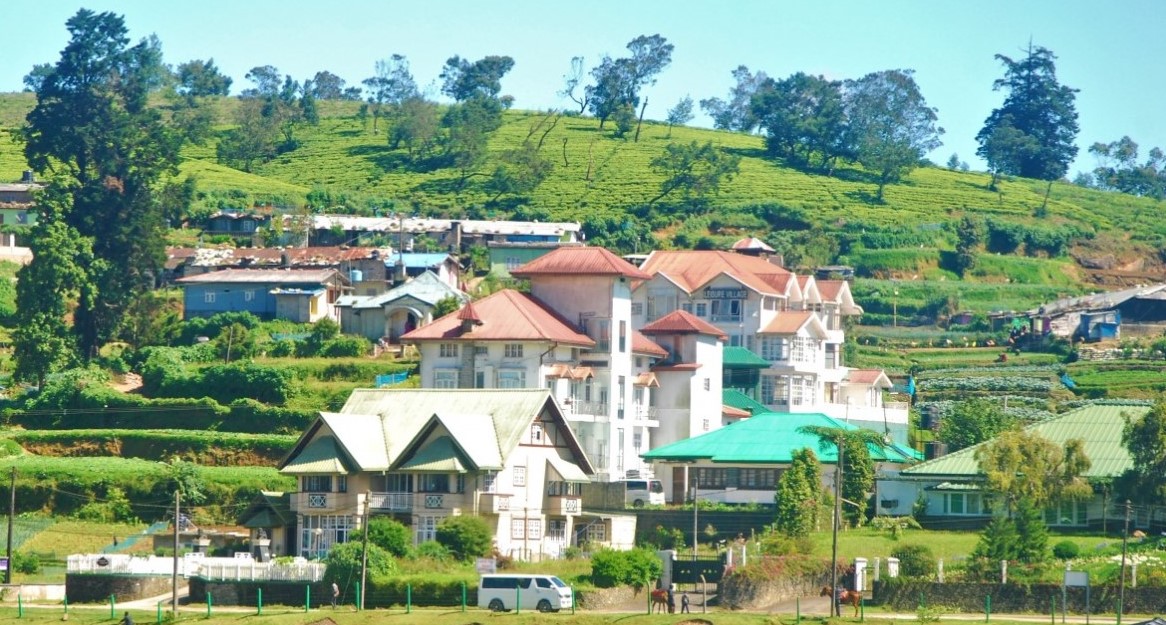
"From taro cultivation in Bogor to village tourism in Banyumas, every village has a story worth telling — and an opportunity worth sharing."
Seven areas of village knowledge
FolderDesa organizes its articles across these interconnected topics, each one grounded in real Indonesian village experience.
What you'll find on FolderDesa
Practical articles written by contributors who understand village life.
Agriculture & Cultivation
Articles on taro (talas bogor), dragon fruit, crystal guava, durian, oyster mushrooms, and tabulampot grapes — plus livestock such as dairy goats and Merino sheep.
Village-Owned Enterprises
Guides on establishing BUMDes, the differences from cooperatives, and why professional phased management matters for village economic growth.
Village Tourism
Coverage of destinations like Desa Karangkemiri in Banyumas, where outbound activities and a swimming pool helped tourism contribute Rp 50 million to village income in 2021.
Culinary Traditions
Indonesian village foods, Sundanese heritage dishes, spiced drinks, infused waters, seafood street-food ideas, and home-industry snack production.
Business Opportunities
From dried wood ear mushrooms and kopyor coconut seedlings to ecoprint crafting, bamboo crafts, and mina padi integrated rice-fish farming.
Village News & Community
Reports on social assistance programs like PKH, village governance structures, and practical tips such as safe homecoming travel during mudik season.
Building a Village Tree Nursery for Reforestation Projects
Restoring a degraded hillside or a stripped riverbank in Indonesia often goes the same way: a planting day is announced, seedlings arrive from a distant supplier, and by the middle of the dry season most of them are dead. The gap is rarely enthusiasm. It is the absence of a reliable, locally controlled supply of young trees suited to the soil and rainfall of the village itself.
A village tree nursery addresses that gap by turning seed collected close to home into stock that can be planted at the right size, in the right season, by people who already know how to care for it. For Australian readers, much of this will look familiar. Community nurseries in Melbourne and Adelaide, Landcare groups such as Grow It Local in Castlemaine, and the revegetation work carried out in the Bega Valley and on Kangaroo Island all rest on the same principle: seedlings raised near where they will be planted survive far better than stock hauled across a country.
Why a village needs its own seedling supply
Buying saplings from outside the village sounds cheaper at first, but the true costs appear later. Transport stress, unfamiliar soil types and planting timed to the wrong rains can cut survival rates below one in three. A nursery run in the village removes those penalties because the manager can choose species that already cope with local conditions, lift seedlings when the ground is soft, and replace failures within weeks rather than months.
The second reason to grow your own stock is control over species. Reforestation is not only about trees; it is about choosing what a village wants in twenty years. Fruit trees for household gardens, timber for carpentry, mangrove and riverbank species for erosion control, and flowering shrubs for pollinators can all be raised in separate beds and tracked by seedlot, so the village knows exactly what it has in the ground.
The third reason relates to village-owned enterprises, or BUMDes. A nursery that sells seedlings to households, local government projects and regional buyers can generate steady cash for a village that has few other formal income streams. It also gives the village something precious: bargaining power over the plants that shape its future landscape.
Choosing species, seeds and the nursery site
Seed should come from mother trees growing in the same district, not from a timber yard or a seed dealer in the provincial capital. Australian seed programs demonstrate how much this matters. The Australian National Botanic Gardens' seed bank records the origin of every lot, and Grow It Local in Victoria publishes provenance data so that growers know which eucalypts and wattles came from which catchment and how they performed on local soils.
Practical conditions for a nursery bed are simpler than they appear: reliable water, drainage that does not flood, shelter from heavy afternoon sun, and soil that is improved rather than replaced. Cheap compost from local livestock waste and rice husks from the mill usually do more for root development than expensive imported potting mix. In Australia, nurseries also fight root disease such as phytophthora, which is one reason professional growers disinfect footwear and keep young stock off wet benches.
Biosecurity deserves a separate mention for Australian operators, because the rules are strict and the penalties are real. Soil, mulch and plant material cannot be moved between states without inspection, and no imported seed should enter the country without the right permits. A village nursery has exactly the same exposure, since seeds and seedlings travel between neighbouring desa, so keeping a written record of every seedlot and cleaning tools between beds is the cheapest insurance available.
Running the nursery as a shared village enterprise
A nursery that works on goodwill alone collapses in the second rainy season. The structure that holds in Indonesia is the BUMDes management model: a named supervisor, rotating labour groups paid by the day, a simple set of accounts, and a clear agreement about who owns the seed stock and the unsold seedlings. Rotate the labour, not the responsibility, so the skills stay in the village while one person remains accountable for irrigation, weeding and pest checks.
Australian comparison points are useful here. Regional councils in Victoria and South Australia buy seedlings for street planting and reserve contracts through formal tenders, and community nurseries fill the gap between a handful of local sales and those larger orders. The first customers are often within an hour of the gate: a council depot, a farm needing windbreak stock, a mine landscaping contract, a school that wants shade trees for the oval.
Distribution is a logistics problem that every rural producer faces. Understanding how traffic flow through a rural township decides which shops get restocked and when, as the Route 22 corridor guide shows for another rural corridor, helps a nursery manager plan deliveries to the right villages at the right time of the week.
Nursery essentials and questions to settle early
A workable nursery needs very little, provided each item is dependable:
- Shade structure over propagation beds to hold moisture and protect new cuttings
- A water source close enough to irrigate daily during the dry months
- Compost, leaf mould and clean river sand for a free-draining potting mix
- Labels, secateurs, hoes and a simple stock register for every seedlot
Decisions that are cheap to settle early and expensive to change later:
- Which species mix and how many seedlings of each the village intends to raise
- Where seed will be collected, and who has permission to collect it
- The nursery site, its water supply and the labour arrangement that keeps it watered
- Pricing for villagers, wholesale rates for larger buyers, and where the profit goes
Written answers to these four questions are what separate a nursery that survives its first dry season from a demonstration plot that produces seedlings once.
From seedling to surviving tree
The last stage is the one most projects plan poorly. Planting days work best when they attach themselves to something villagers already do, such as a market Saturday, a football club's family day, or a community hall gathering after the local match. Australian growers' markets, from Adelaide's Central Market to the Richmond farmers' market in Melbourne, offer the same rhythm of regular crowds, stallholders and free publicity for anything useful and alive.
Seedlings also need follow-up. A nursery manager who visits planted sites after two months, replaces failures, records which beds performed best and feeds those results back into the next sowing has built something more valuable than a pile of saplings. This is the same lesson Kangaroo Island growers learned after bushfires: survival data, not planting day photos, measures whether a restoration effort holds.
The trees themselves can feed other village enterprises, which is why a nursery fits naturally into a wider local economy. The community bamboo furniture guide published here describes how a village turns a forest product into workshops, training and steady income, and a nursery of native timber and bamboo species extends that chain rather than competing with it.
What should stay with the reader is that a village nursery is a supply chain, not a shed full of seedlings. It succeeds when seed is collected close to home, when the beds are watered on schedule, when ownership and pricing are written down, and when someone returns to the planting site to count what survived. Those four habits turn a planting day into a forest that is still standing a decade later.

Questions or story ideas from your village?
FolderDesa welcomes readers who want to share village experiences or learn more about the topics covered on the site.
Visit the Contact Page