
FolderDesa brings together practical knowledge on farming, village-owned enterprises, culinary traditions, rural tourism, and small-business ideas — all rooted in the everyday life of Indonesian villages.
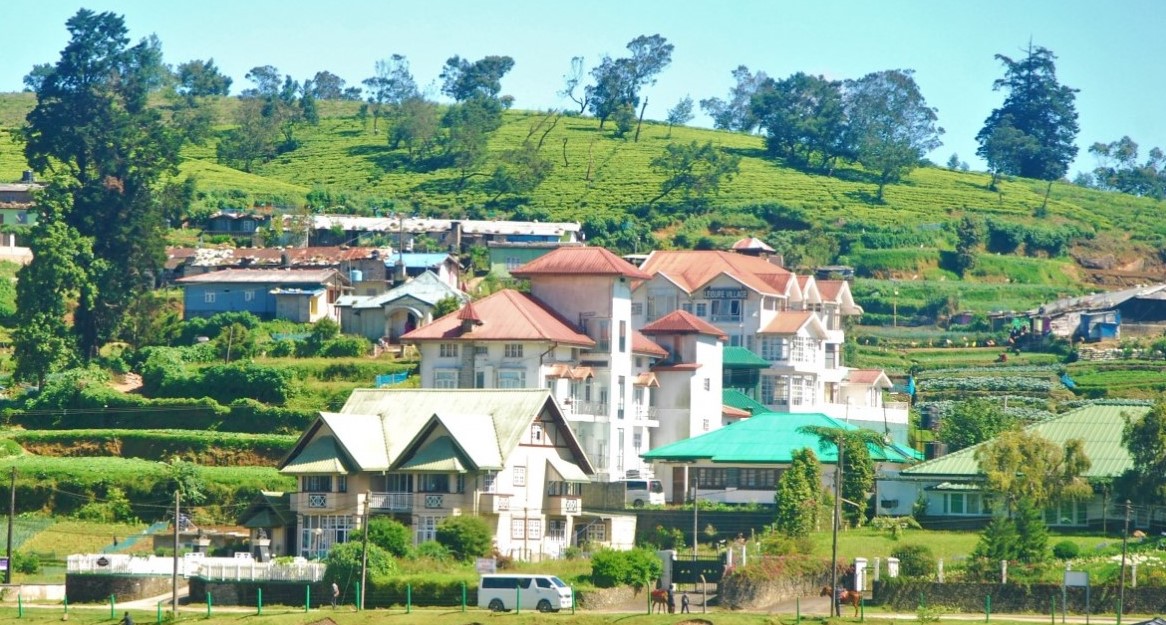
"From taro cultivation in Bogor to village tourism in Banyumas, every village has a story worth telling — and an opportunity worth sharing."
Seven areas of village knowledge
FolderDesa organizes its articles across these interconnected topics, each one grounded in real Indonesian village experience.
What you'll find on FolderDesa
Practical articles written by contributors who understand village life.
Agriculture & Cultivation
Articles on taro (talas bogor), dragon fruit, crystal guava, durian, oyster mushrooms, and tabulampot grapes — plus livestock such as dairy goats and Merino sheep.
Village-Owned Enterprises
Guides on establishing BUMDes, the differences from cooperatives, and why professional phased management matters for village economic growth.
Village Tourism
Coverage of destinations like Desa Karangkemiri in Banyumas, where outbound activities and a swimming pool helped tourism contribute Rp 50 million to village income in 2021.
Culinary Traditions
Indonesian village foods, Sundanese heritage dishes, spiced drinks, infused waters, seafood street-food ideas, and home-industry snack production.
Business Opportunities
From dried wood ear mushrooms and kopyor coconut seedlings to ecoprint crafting, bamboo crafts, and mina padi integrated rice-fish farming.
Village News & Community
Reports on social assistance programs like PKH, village governance structures, and practical tips such as safe homecoming travel during mudik season.
Creating a village newsletter that residents will actually read
Reliable local information helps a village coordinate daily life, respond to problems, and recognize opportunities. A printed or digital newsletter can connect residents with village officials, farmers, youth groups, women’s organizations, local businesses, and visitors who want to understand community activities.
A useful village newsletter is more than an announcement sheet. It can explain budget priorities, promote village-owned enterprises, share farming updates, publish meeting schedules, and record achievements that might otherwise go unnoticed. The strongest newsletters are simple, regular, and closely connected to residents’ needs.
The format does not have to be expensive. A two-page monthly bulletin distributed through neighborhood groups, public buildings, markets, schools, and messaging apps can reach a wide audience when its content is clear and trusted.
Define the purpose and audience
Begin by deciding what the newsletter should help residents do. Its purpose may include sharing government announcements, improving public participation, promoting local products, reporting on infrastructure work, or providing practical information about agriculture and health. A clear purpose prevents the publication from becoming a collection of unrelated notices.
Identify the main groups that will use it. Farmers may need weather information, planting schedules, input prices, and market access. Entrepreneurs may value business permits, training dates, and promotion space. Families may look for school activities, health services, waste collection schedules, and disaster warnings. Content should reflect these different routines without becoming crowded.
Build a small editorial team
A village newsletter works best when responsibility is shared. One person can coordinate the schedule, while others gather reports, check facts, take photographs, design pages, and distribute copies. The team might include a village official, community volunteer, teacher, youth representative, or local journalist.
Set a simple editorial process before publishing the first issue. Every announcement should include the date, location, responsible organization, and contact person. Reports should be checked with the relevant office or group, especially when they concern public funds, regulations, health, or emergency information.
Residents will trust the publication when it makes room for more than official voices. Short interviews with farmers, artisans, traders, and community leaders can add useful experience and show how village programs affect everyday life.
Choose practical content for every issue
A consistent structure makes the newsletter easier to scan. A front-page message can summarize the most important development, followed by sections for village administration, farming, local economy, community events, and public services. Repeating these categories helps readers know where to find information.
Include content that leads to action. A farming section might explain pest control, irrigation schedules, or a new buyer’s requirements. A BUMDes section could report service hours, product launches, or financial milestones in accessible language. Tourism coverage can introduce homestays, walking routes, cultural events, and visitor guidelines.
A newsletter can also support local commerce by listing products and upcoming sales events. Advice on organizing market days can help village leaders connect growers with households, restaurants, and visitors while giving producers a regular place to promote fresh goods.
Select a format and publishing rhythm
Choose the format according to local access and reading habits. Printed copies remain important where internet coverage is limited or older residents prefer paper. A PDF or image version can be shared through WhatsApp groups, village websites, and social media. The same content may be adapted into a noticeboard poster or a short audio announcement.
Publishing once a month is usually manageable for a volunteer team. A weekly edition may be useful during harvest, village elections, disaster response, or a major festival, but it requires dependable contributors. A fixed release date creates a habit and makes it easier for organizations to submit information on time.
| Newsletter element | Useful content | Suitable format |
|---|---|---|
| Village updates | Decisions, schedules, public works, service changes | Print and digital |
| Farming corner | Seasonal advice, prices, training, pest alerts | Print, PDF, messaging apps |
| Local business | Product profiles, permits, promotions, BUMDes news | Print and social media |
| Community calendar | Meetings, health services, religious and cultural events | Noticeboard and messaging apps |
| Resident voices | Interviews, suggestions, success stories | Print and digital |
| Emergency notices | Weather warnings, evacuation details, contact numbers | All available channels |
Use clear language and responsible reporting
Write short paragraphs with direct sentences. Explain administrative terms rather than assuming residents know them. Dates should be written in full, and important details should appear near the beginning. Headings, bullet points, photographs, and captions help readers who only have a few minutes to scan the issue.
Accuracy matters more than speed. Confirm names, figures, locations, and schedules before publication. If information changes after printing, issue a correction through the same channels used for the original announcement. Avoid publishing private phone numbers, unverified rumors, or photographs of children without appropriate permission.
A balanced newsletter can report progress while acknowledging unresolved issues. For example, an infrastructure article may state what has been completed, what remains delayed, and which office residents can contact. This approach supports public accountability without turning every edition into a political argument.
Make distribution part of the plan
Create a distribution map showing where residents gather and which channels they use. Copies may be placed at the village office, health post, market, schools, worship centers, cooperatives, and neighborhood meeting points. Volunteers can deliver copies to households that are far from the village center or have limited internet access.
Digital sharing should complement, rather than replace, physical distribution. Compress files so they can be downloaded with limited data, and use readable images when sending pages through messaging apps. Important alerts should be written directly in the message as well as included in the attached newsletter.
Track basic results after each issue. The team can record how many copies were distributed, which stories received comments, and whether organizations submitted information on time. Short conversations at meetings or markets often reveal more useful feedback than formal surveys.
Keep the newsletter sustainable
A modest publication budget may cover paper, printing, design, transportation, and occasional reporting costs. Funding can come from a transparent village communication allocation, sponsorship from local businesses, or cooperative support. Any paid promotion should be clearly labeled so residents can distinguish advertising from editorial content.
The newsletter should avoid becoming dependent on one enthusiastic volunteer. Store templates, contact lists, photographs, publication calendars, and previous editions in a shared folder. Train at least two people to handle editing and design so the publication continues when roles change.
Useful actions for the first three issues include:
- Ask residents to name the information they most often miss.
- Prepare a fixed two-page layout with recurring sections.
- Appoint one verified contact for each village institution.
- Publish a calendar of deadlines for submissions and corrections.
- Review distribution and reader feedback after every edition.
A village newsletter becomes valuable when it reflects real local priorities and delivers information at the right time. Start with a manageable issue, invite contributions from different community groups, and publish on a dependable schedule. With steady verification and open feedback, the newsletter can become a trusted bridge between village institutions and the residents they serve.

Questions or story ideas from your village?
FolderDesa welcomes readers who want to share village experiences or learn more about the topics covered on the site.
Visit the Contact Page