
FolderDesa brings together practical knowledge on farming, village-owned enterprises, culinary traditions, rural tourism, and small-business ideas — all rooted in the everyday life of Indonesian villages.
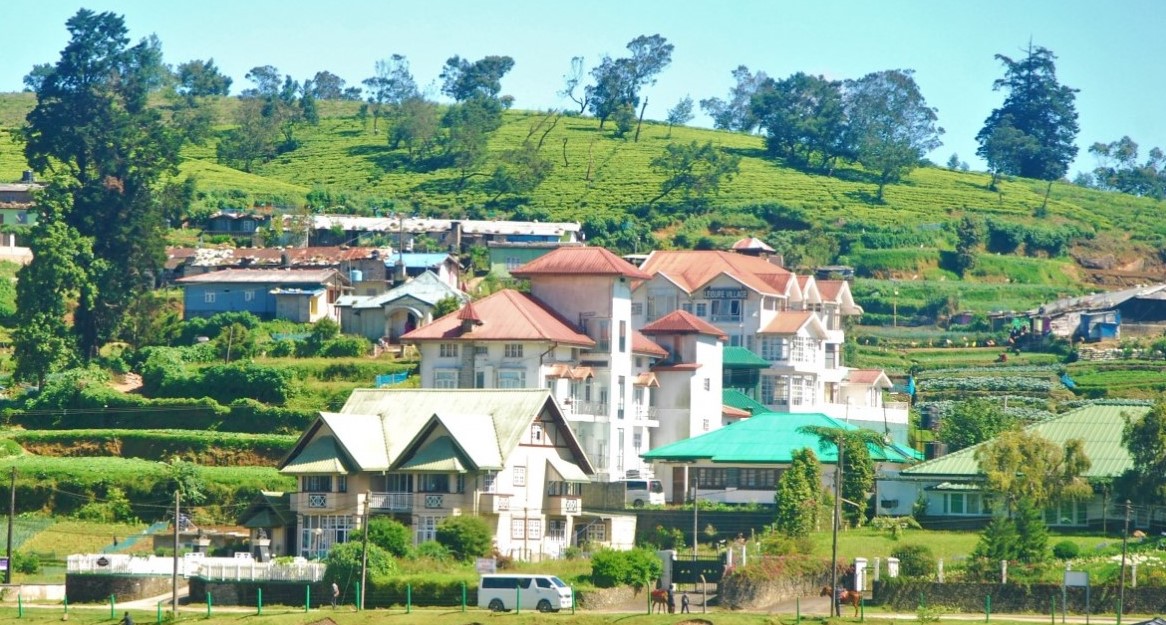
"From taro cultivation in Bogor to village tourism in Banyumas, every village has a story worth telling — and an opportunity worth sharing."
Seven areas of village knowledge
FolderDesa organizes its articles across these interconnected topics, each one grounded in real Indonesian village experience.
What you'll find on FolderDesa
Practical articles written by contributors who understand village life.
Agriculture & Cultivation
Articles on taro (talas bogor), dragon fruit, crystal guava, durian, oyster mushrooms, and tabulampot grapes — plus livestock such as dairy goats and Merino sheep.
Village-Owned Enterprises
Guides on establishing BUMDes, the differences from cooperatives, and why professional phased management matters for village economic growth.
Village Tourism
Coverage of destinations like Desa Karangkemiri in Banyumas, where outbound activities and a swimming pool helped tourism contribute Rp 50 million to village income in 2021.
Culinary Traditions
Indonesian village foods, Sundanese heritage dishes, spiced drinks, infused waters, seafood street-food ideas, and home-industry snack production.
Business Opportunities
From dried wood ear mushrooms and kopyor coconut seedlings to ecoprint crafting, bamboo crafts, and mina padi integrated rice-fish farming.
Village News & Community
Reports on social assistance programs like PKH, village governance structures, and practical tips such as safe homecoming travel during mudik season.
Designing a village noticeboard that serves every resident
Across rural Indonesia, the village noticeboard remains one of the most reliable communication tools. From a village, whether in West Java or East Nusa Tenggara, a simple wooden or glass-fronted board near the village hall, market, or mosque gathers locals for shared information. It is the first place farmers look before the planting season, where new BUMDes announcements appear, and where health workers post vaccination schedules. Getting the board right matters because it shapes how quickly news travels, how transparent village governance feels, and how included residents feel in daily decisions.
A good information board blends practical design with consistent habits. It needs a clear location, durable materials, a posting rule that everyone understands, and a routine for replacing old notices. The ideas below draw on what has worked in small communities, including some parallels with Australian rural councils where similar boards operate in towns like Ballarat or Daylesford.
Picking the right spot and format
The first decision is where the board will live. A sheltered spot near the village office, the local market entrance, or a frequently visited warung keeps foot traffic steady. In hot regions, placing the structure under a roof or a small awning protects paper from heavy rain and harsh sun. Visibility matters more than size, so avoid tucking the board behind a parked vehicle or against a wall covered in old posters.
Format follows function. A simple cork or soft-pin surface lets residents pin handwritten flyers without damage. A glass-fronted cabinet protects documents from rain, dust, and curious animals, and works especially well for printed BUMDes financial summaries or official SK (surat keputusan) documents. Some villages combine both: a glass cabinet for formal notices and an open pinboard beside it for community announcements, lost animals, or small advertisements.
If a village already has a community WhatsApp group, the physical board can complement it. Notice formats should match both worlds. A short title, a date, and a clear call to action work whether the notice is photographed and shared online or read in person.
Building with local materials
Construction does not need imported supplies. Many villages have built boards from offcuts of local hardwood, second-hand glass panes, marine plywood for the roof, and stainless-steel hinges. A simple A-frame design with a slight backward tilt keeps rainwater from pooling on the surface and prevents the glass from fogging up. Stainless-steel or brass fasteners last longer than ordinary nails in humid coastal regions.
Cost can be kept low by reusing frames from old windows or repainting cabinet doors that are still structurally sound. Painting the structure with weather-resistant enamel in bright colours helps it stand out. Red, yellow, or blue are common, but high-contrast lettering on a neutral panel works best for readability, especially for older residents.
For villages that also want a digital touch, a small QR code sticker linked to the village's website or social media page can sit on the frame. Visitors planning a stay or a meal can scan it for local attractions, and travellers passing through can find a list of homestays or food stalls, including a familiar grilled fish recipe guide that has been popular among culinary tourists.
What goes on the board
A village information board quickly becomes useless if notices pile up without order. Clear categories help. Many villages divide the surface into rows or columns labelled for village government announcements, health and vaccination schedules, BUMDes reports, agricultural advice, religious activities, lost and found, and small advertisements. The labels can be painted directly on the frame or printed as plastic strips at the top of each row.
Posting rules should be short, written, and visible. Common rules include a maximum paper size (A4 or A3), a clear date posted, a removal date (usually after two weeks), and a rule that personal phone numbers must be accompanied by a name. This last point also echoes how the Australian Privacy Act 1988 requires personal data to be handled with care, even on local noticeboards in towns like Hobart or Launceston.
BUMDes managers often post profit summaries or cooperative meeting notices. Health workers may use the board for posyandu (integrated health post) schedules, while farmers' groups might pin seed distribution dates. Standardising the layout of these notices saves space and helps readers scan quickly.
Keeping the board tidy and trusted
A neglected board loses trust quickly. The simplest maintenance routine assigns one or two people to walk past the board every Friday, remove expired notices, and replace faded flyers. A small notebook kept inside the cabinet can record what was posted and when, helping the village head and secretary track communication over the year.
Rotation matters. Notices about an upcoming village festival or a vaccination drive should sit in the most visible spot for at least a week before the event. After the event, the flyer can move to a community archive folder or be recycled. Local youth groups can volunteer to handle the cleaning routine, and their involvement often encourages more careful posting from neighbours.
Community ownership keeps the board alive. When residents help design it, choose its colour, and share updates regularly, they treat it as a shared resource rather than a forgotten wall. Many Australian country towns, such as those in the Adelaide Hills, run similar weekly tidying shifts at local community noticeboards near the farmers market.
Accessibility and inclusivity
A village board should serve everyone, including older residents, people with low vision, and those who do not read Bahasa Indonesia fluently. Using large print (at least 18 point for headings), high-contrast colours, and plain language helps. Adding simple icons or pictograms beside category labels helps children, older readers, and tourists find information quickly.
Where possible, notices can be translated into local languages. In Papua, for example, including Bahasa Indonesia alongside a local language has helped reach more households. The same principle applies to international visitors in coastal tourist villages, where a short English summary on the same flyer improves understanding.
The legal side matters too. Villages should avoid posting documents that contain sensitive personal data, such as full ID numbers or medical details. This approach aligns with accessibility and privacy expectations used under Australia's Disability Discrimination Act 1992 and federal privacy principles. A short internal rule that any notice with personal details must be approved by the village secretary helps maintain consistency.
A well-designed village information board becomes more than a wall of paper. When residents know it is updated weekly, that the categories make sense, and that the information is trustworthy, the board quietly holds the village together. The practical takeaway is simple: choose a sheltered spot, build with local materials, agree on clear posting rules, schedule a Friday refresh, and keep the content open and legible for everyone.

Questions or story ideas from your village?
FolderDesa welcomes readers who want to share village experiences or learn more about the topics covered on the site.
Visit the Contact Page