
FolderDesa brings together practical knowledge on farming, village-owned enterprises, culinary traditions, rural tourism, and small-business ideas — all rooted in the everyday life of Indonesian villages.
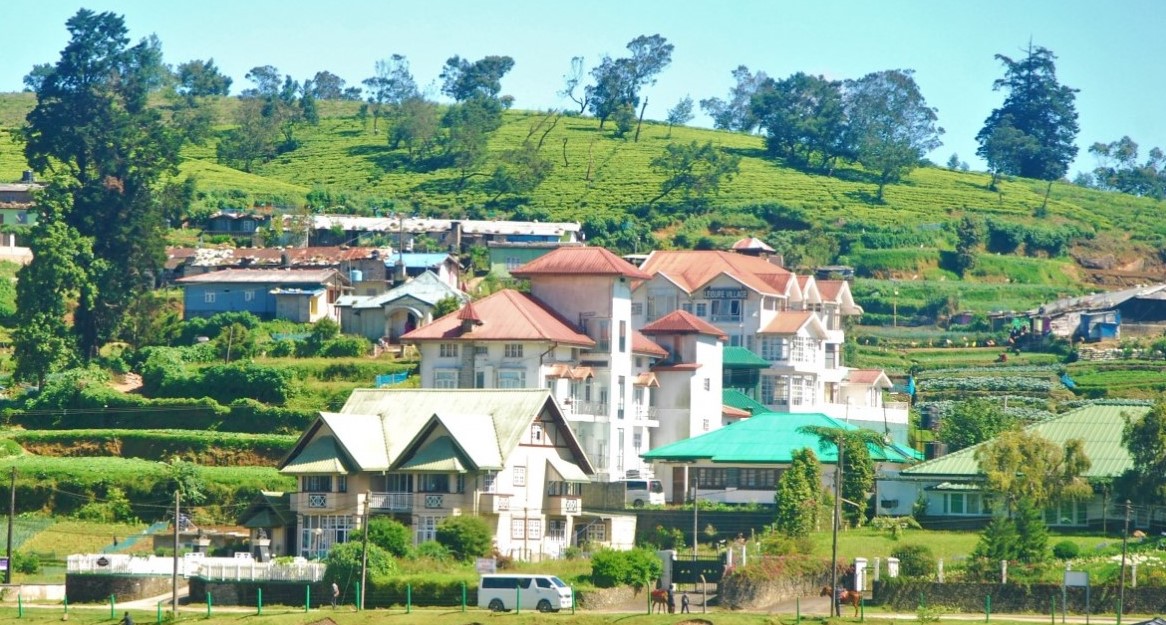
"From taro cultivation in Bogor to village tourism in Banyumas, every village has a story worth telling — and an opportunity worth sharing."
Seven areas of village knowledge
FolderDesa organizes its articles across these interconnected topics, each one grounded in real Indonesian village experience.
What you'll find on FolderDesa
Practical articles written by contributors who understand village life.
Agriculture & Cultivation
Articles on taro (talas bogor), dragon fruit, crystal guava, durian, oyster mushrooms, and tabulampot grapes — plus livestock such as dairy goats and Merino sheep.
Village-Owned Enterprises
Guides on establishing BUMDes, the differences from cooperatives, and why professional phased management matters for village economic growth.
Village Tourism
Coverage of destinations like Desa Karangkemiri in Banyumas, where outbound activities and a swimming pool helped tourism contribute Rp 50 million to village income in 2021.
Culinary Traditions
Indonesian village foods, Sundanese heritage dishes, spiced drinks, infused waters, seafood street-food ideas, and home-industry snack production.
Business Opportunities
From dried wood ear mushrooms and kopyor coconut seedlings to ecoprint crafting, bamboo crafts, and mina padi integrated rice-fish farming.
Village News & Community
Reports on social assistance programs like PKH, village governance structures, and practical tips such as safe homecoming travel during mudik season.
Turning Livestock Waste into a Working Village Biogas Digester
Across rural Indonesia, the pressure on firewood and kerosene remains a quiet cost. A well-built biogas digester turns livestock waste into cooking gas, organic fertiliser, and sometimes a small income. The technology has matured enough that a smallholder with two or three cows can build something safe with local parts.
In the Australian bush the chemistry is identical. Dairy farmers along the Murray-Darling, cattle stations in central Queensland, and sheep operations across Tasmania all wrestle with the same waste. Agronomists hear station hands talk about "paddock runoff" the way village officials in Java mention limbah ternak, and swapping notes between a Gippsland milking shed and a Boyolali cattle pen beats most policy papers.
How a biogas digester works
A digester is a sealed, oxygen-free container where bacteria break down organic matter and release methane. Feedstock flows in one end, slurry sits long enough for microbes to work, and gas collects at the top before travelling through a pipe to a stove or lamp. Digesters run faster in warm lowland Indonesia than in a Tasmanian winter, which is why buried designs suit cooler climates.
Three shapes appear in field manuals. The fixed-dome Chinese model is durable but needs skilled brickwork. The floating-drum Indian design is easier for first-time builders because the drum visibly rises and falls, showing production at a glance. The tubular polyethylene digester is cheapest and can be relocated when cattle move between paddocks, making it a common starting point for a village cooperative.
Sizing the system to the herd
A rough rule is that one cow produces enough manure per day for a household of four to six people. Two cows comfortably run a stove for two families, while ten or twelve can feed a community kitchen. The real sizing question is how much manure is actually collected rather than left to rot in the paddock.
Australian operators tend to oversize because cattle are often kept on extensive pastures where dung is hard to gather. In Indonesia, where cattle are frequently stall-fed overnight, collection is easier and the digester can be smaller for the same output. A receiving pit, mixing tank, and inlet pipe big enough for daily wash water prevents clogging from too much straw or sand.
Choosing materials that last
For a masonry digester, fired clay bricks, cement, sand, and lime are usually available within a day's drive of any Indonesian village. A waterproof render inside is essential because small cracks let gas escape. Reinforcing steel adds little cost and prevents the dome cracking during the wet season, while a simple ring beam helps in earthquake-prone regions.
Tubular digesters rely on heavy-gauge polyethylene, ideally 0.8 to 1.2 millimetres thick. Anything thinner survives one season as UV light and cattle hooves finish it off. A simple brick or timber frame at each end keeps the tube from collapsing, and standard plumbing fittings let spare parts come from a local hardware store.
Building the digester step by step
Start with a level site close to the cattle shed so daily carrying is realistic. Excavate the pit deeper than the planned digester by about twenty centimetres and lay a compacted gravel base. Build the walls up to the inlet, then construct the dome on a sand mound that is later dug out. Plaster the inside with a 1:3 cement-sand mix and keep it wet for several days.
Install the inlet, outlet, and gas pipe while the cement is still workable. The gas pipe should rise continuously toward the stove so condensate drains back. Fit a simple water trap, a pressure gauge from a repurposed car fuel gauge, and a pilot light. Fill with fresh manure and water, then wait. The first gas arrives after ten to fourteen days, though a Tasmanian winter may stretch that to three weeks.
Running the digester day to day
Daily stirring is the single most important habit. A hand-pulled paddle or a slowly rotating rod keeps solids from forming a crust that blocks gas release. Feed the digester at the same time each day so bacteria receive a steady diet, and top up with water in the dry season because evaporation concentrates the slurry and slows digestion.
Small problems repeat across regions. A sudden drop in gas pressure usually means the gas pipe is blocked with water, fixed by draining the trap. A sour, rotten smell means the slurry has gone acidic, corrected by adding a bucket of fresh cattle dung or wood ash. Australian extension officers in the Murray-Darling region have reported these simple checks keep small farm digesters running for more than a decade with almost no spare-part cost.
Putting the outputs to work
Biogas is the obvious prize. A four-burner stove uses about one and a half cubic metres per day, easily produced by three or four cattle, and the flame is clean enough for indoor cooking. Larger herds can run a small genset to charge batteries, power a milking machine, or run a chiller for milk.
The slurry is often more valuable than the gas. It still contains most of the nitrogen, phosphorus, and potassium from the original manure, but in a form plant roots absorb within days. Farmers spreading it on rice paddocks often cut synthetic fertiliser bills by a third in a season, and selling bagged slurry has become a steady side income for several village enterprises. For readers considering such sidelines, this starting a home venture covers the basics of turning a rural skill into a small enterprise.
Costs, funding and common mistakes
A basic masonry digester for two cows costs three to five million rupiah in materials, plus a few days of skilled labour. Tubular digesters can be set up for under two million rupiah if a farmer already owns a 200-litre drum. Funding often comes through local grants, farmer cooperatives, or international programmes. At the village level, a village enterprise model can pool contributions from several households and run the digester as a shared utility, with revenue shared according to manure contributed.
The most common mistakes are predictable. Digesters are built too far from the cattle, so feeding becomes a chore and operators stop bothering. Gas pipes are laid without a slope, so water pools and blocks the line. Feedstock is over-diluted, slowing bacterial activity. In Australia, where farmers already use engineered lagoon systems for methane capture, the lesson is the same: simple designs fail when shortcuts are taken, while a properly built digester quietly pays back its cost within two or three years.
The most useful thing a village can do this month is choose one household with a steady cattle shed, build a small digester together as a training exercise, and treat the first three months as a learning period rather than a production target. Once the rhythm of feeding, stirring, and using the gas becomes familiar, scaling up to a shared community digester or a slurry-selling enterprise is a small and natural step.

Questions or story ideas from your village?
FolderDesa welcomes readers who want to share village experiences or learn more about the topics covered on the site.
Visit the Contact Page