
FolderDesa brings together practical knowledge on farming, village-owned enterprises, culinary traditions, rural tourism, and small-business ideas — all rooted in the everyday life of Indonesian villages.
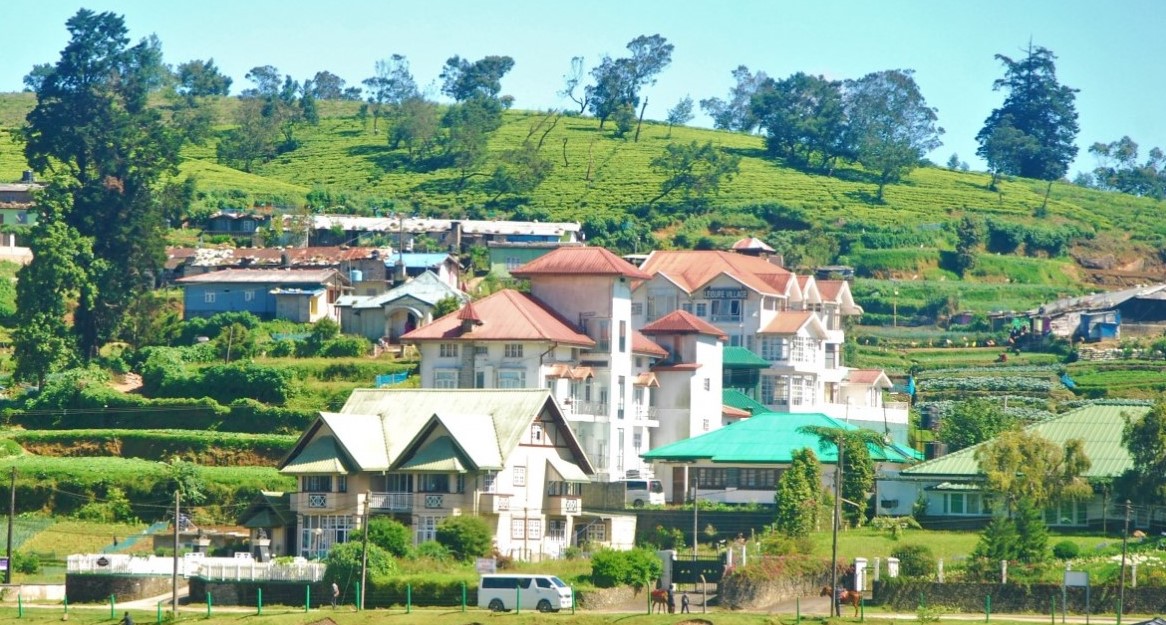
"From taro cultivation in Bogor to village tourism in Banyumas, every village has a story worth telling — and an opportunity worth sharing."
Seven areas of village knowledge
FolderDesa organizes its articles across these interconnected topics, each one grounded in real Indonesian village experience.
What you'll find on FolderDesa
Practical articles written by contributors who understand village life.
Agriculture & Cultivation
Articles on taro (talas bogor), dragon fruit, crystal guava, durian, oyster mushrooms, and tabulampot grapes — plus livestock such as dairy goats and Merino sheep.
Village-Owned Enterprises
Guides on establishing BUMDes, the differences from cooperatives, and why professional phased management matters for village economic growth.
Village Tourism
Coverage of destinations like Desa Karangkemiri in Banyumas, where outbound activities and a swimming pool helped tourism contribute Rp 50 million to village income in 2021.
Culinary Traditions
Indonesian village foods, Sundanese heritage dishes, spiced drinks, infused waters, seafood street-food ideas, and home-industry snack production.
Business Opportunities
From dried wood ear mushrooms and kopyor coconut seedlings to ecoprint crafting, bamboo crafts, and mina padi integrated rice-fish farming.
Village News & Community
Reports on social assistance programs like PKH, village governance structures, and practical tips such as safe homecoming travel during mudik season.
Building a Village Rain Garden for Stormwater and Beauty
A rain garden is a shallow, planted depression that captures runoff from roofs, paths and compacted ground. Instead of sending every downpour straight into a drain, it briefly holds water, filters sediment and allows moisture to soak into the soil. With the right design, it can also become a colourful village feature rather than a purely technical drainage project.
For Australian readers, the idea fits familiar water-sensitive design principles used in places such as Brisbane, Sydney and Perth. It can suit a community hall, market, farm stay, school or residential block, while offering a practical example for Indonesian villages managing intense seasonal rain, muddy lanes and limited drainage infrastructure.
Why A Rain Garden Helps A Village
Hard surfaces speed stormwater towards roads and low-lying homes. A planted basin slows that flow and gives soil, roots and microorganisms time to remove some suspended dirt and nutrients. This reduces puddling near buildings and can help protect creeks, rice fields and garden beds from sudden erosion.
The garden should not be treated as a permanent pond. Most systems drain within a day or two after rainfall, which limits mosquito breeding and keeps the planting area healthy. In a village setting, its greatest value may be its visibility: residents can see water management working beside a public path, market or community building.
A well-made feature can support local livelihoods too. A nursery may supply suitable plants, a village enterprise can install stone edging, and nearby growers can use the project to demonstrate compost, mulch and soil improvement. These small contracts can complement home-based business ideas for residents who already sell seedlings, garden products or maintenance services.
Read The Site Before Digging
Begin with the catchment. Note where roof downpipes discharge, where water naturally collects, and how runoff moves during a heavy storm. A simple hose test or observation after rain can reveal more than a guessed layout. Keep the garden away from building foundations, septic systems, wells and areas where contaminated water may enter food production.
Australian conditions vary widely. A Brisbane site may receive intense summer storms, while a Perth property may have sandy soil and a long dry season. In Melbourne, winter rainfall and clay soils can keep a basin wet for longer. The Bureau of Meteorology climate data and local council drainage guidance are useful starting points, especially where overland flow could affect neighbours.
Test drainage by filling a small hole with water and observing how quickly it empties. If the soil remains saturated, use a shallower planted swale, improve the soil carefully, or add an overflow connection. In parts of Indonesia, high groundwater and heavy monsoon rainfall may require raised planting areas rather than a deep basin.
Choose A Form That Fits The Place
A rain garden should look intentional. A curved edge can soften a public compound, while a straight, gravel-lined strip may suit a narrow verge or village lane. Include a broad overflow route so excess water moves safely towards a drain, grassed area or storage pond during an unusually large storm.
The table below compares common layouts for different village and Australian property settings.
| Layout | Suitable location | Main benefit | Watch point |
|---|---|---|---|
| Shallow basin | Community hall or open yard | Holds roof and paved runoff | Needs safe overflow |
| Linear swale | Road edge or long garden boundary | Slows water along a slope | Requires stable side slopes |
| Courtyard planter | School, café or market | Adds beauty in a small space | Needs regular watering while plants establish |
| Gravel trench with plants | Sandy Perth-style soil or compact sites | Filters runoff in a narrow footprint | Can clog without sediment control |
Use a sediment forebay, such as a small gravel or grassed entry zone, before water reaches the planted basin. This catches leaves and soil where they are easy to remove. Avoid placing loose stones where children, bicycles or market carts could create a hazard.
Build With Local Materials And Skills
Construction can be simple, but water flow must be controlled. Mark the outline, remove weeds, shape a gently sloping basin and compact the overflow path. Do not use rich garden soil alone; it may seal the surface or collapse after repeated storms. A suitable soil blend should drain steadily while retaining enough moisture for plants.
Useful materials may include washed gravel, coarse sand, compost, locally made edging and durable mulch. In rural Indonesia, bamboo or reclaimed brick can create attractive borders, provided they will not wash into drains. In Australia, check whether council approval is needed for work near a footpath, easement or roadside drain.
Before construction
- Identify the runoff source and overflow destination
- Check soil infiltration and seasonal groundwater
- Keep water away from foundations and septic areas
- Agree on a maintenance owner or village team
During construction
- Install an inlet that will not erode
- Shape gentle sides instead of steep drops
- Add clean gravel around the entry point
- Leave a visible overflow route for major storms
Plant For Water, Shade And Beauty
Choose plants according to how long the basin stays damp, rather than selecting only attractive flowers. The lowest zone can hold moisture-tolerant species, while the edges suit plants that prefer occasional wetting followed by dry periods. Native plants are usually a strong choice because they support local insects and cope better with regional weather.
In Australia, sedges, lomandra, dianella and selected native shrubs may work well, but the right species depends on the state and soil. A local indigenous nursery or council plant list can prevent invasive choices. For a tropical Indonesian village, locally adapted grasses, gingers or wetland-edge plants may provide colour and useful biomass, provided they do not spread aggressively.
Layer the planting so the garden remains attractive throughout the year: low groundcovers at the front, upright foliage in the middle and taller shrubs behind. Mulch helps retain moisture, but keep it away from the stems. A small sign explaining the garden’s purpose can turn an ordinary drainage structure into an educational feature for visitors and school groups.
Keep The Garden Working Through The Seasons
Rain gardens need modest but regular care. Inspect the inlet after the first major storm and remove leaves, plastic and accumulated silt. Check that water drains within the planned period and look for bare soil, blocked gravel or channels forming around the edge. In Australia, this is especially important after a summer thunderstorm; in Indonesia, inspections should follow monsoon downpours.
During the first dry season, water new plants until their roots establish. Replace failed plants promptly and trim growth that blocks the overflow. Do not use fertiliser casually, because excess nutrients can wash into waterways. A maintenance record kept by a residents’ group, school or BUMDes can show who inspected the site and what work was completed.
The best rain garden is easy to understand, safe to walk past and resilient when nobody is watching it every day. Its beauty should support its drainage role, not hide problems such as standing water, eroding inlets or blocked outlets. What readers should remember is simple: capture runoff close to where it falls, plant for the local climate, and design every overflow before the first shovel enters the ground.

Questions or story ideas from your village?
FolderDesa welcomes readers who want to share village experiences or learn more about the topics covered on the site.
Visit the Contact Page