
FolderDesa brings together practical knowledge on farming, village-owned enterprises, culinary traditions, rural tourism, and small-business ideas — all rooted in the everyday life of Indonesian villages.
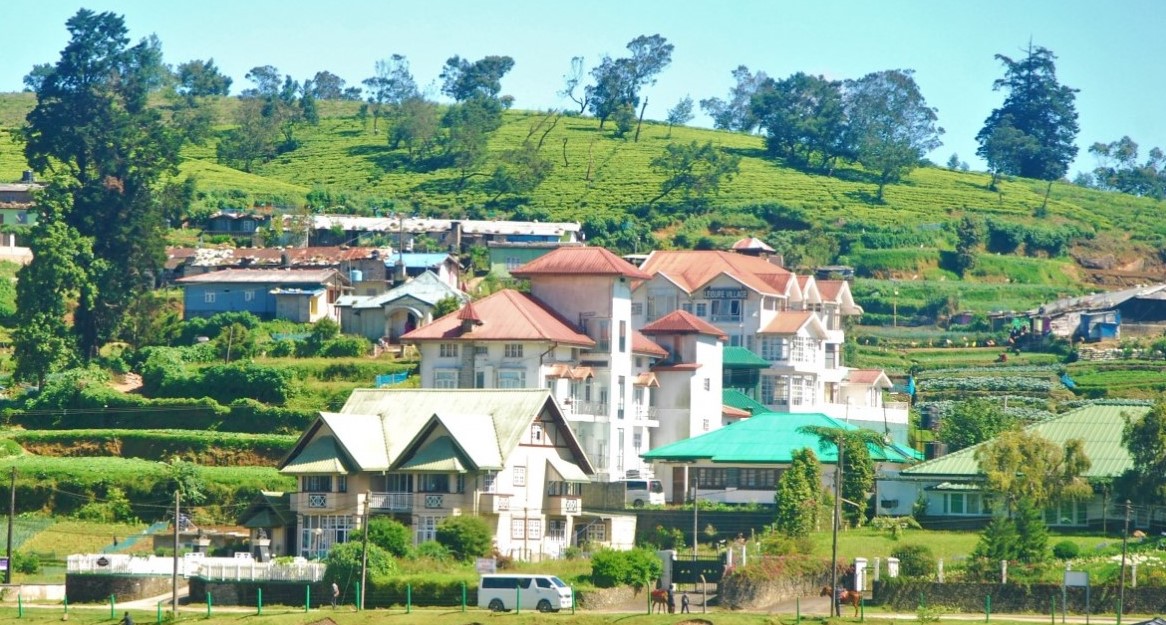
"From taro cultivation in Bogor to village tourism in Banyumas, every village has a story worth telling — and an opportunity worth sharing."
Seven areas of village knowledge
FolderDesa organizes its articles across these interconnected topics, each one grounded in real Indonesian village experience.
What you'll find on FolderDesa
Practical articles written by contributors who understand village life.
Agriculture & Cultivation
Articles on taro (talas bogor), dragon fruit, crystal guava, durian, oyster mushrooms, and tabulampot grapes — plus livestock such as dairy goats and Merino sheep.
Village-Owned Enterprises
Guides on establishing BUMDes, the differences from cooperatives, and why professional phased management matters for village economic growth.
Village Tourism
Coverage of destinations like Desa Karangkemiri in Banyumas, where outbound activities and a swimming pool helped tourism contribute Rp 50 million to village income in 2021.
Culinary Traditions
Indonesian village foods, Sundanese heritage dishes, spiced drinks, infused waters, seafood street-food ideas, and home-industry snack production.
Business Opportunities
From dried wood ear mushrooms and kopyor coconut seedlings to ecoprint crafting, bamboo crafts, and mina padi integrated rice-fish farming.
Village News & Community
Reports on social assistance programs like PKH, village governance structures, and practical tips such as safe homecoming travel during mudik season.
old tires and bamboo into a safe village playground
Across the Indonesian archipelago, villages are rediscovering materials farmers have always had on hand. Old truck tires and harvested bamboo, once destined for the dump or fire pit, are being shaped into swings, climbing frames, and wobbly bridges that bring children together after school. The movement echoes the same resourceful streak found at Landcare working bees and Men's Shed projects in country Australia, where community groups build cubbies from fence palings and turn fallen branches into nature playgrounds.
A playground built from recycled tires and bamboo offers more than a weekend project. It cuts costs, keeps bulky waste out of landfill, and gives young people somewhere safe to play while parents chat under a shady tree. The following guide walks through each stage, from collecting materials at the local tip to hosting a working bee the whole community can join.
Why tires and bamboo suit a rural setting
Tires are tough, flexible, and weather resistant, which is what you want when equipment sits in tropical sun or monsoon rain for years. Bamboo grows back quickly, making it one of the most renewable building materials on the planet. Together, they create a playground rooted in the landscape rather than imported from a warehouse shelf, and that local pride matters as much as the play value.
In Australian country towns, the same logic drives projects at the local Men's Shed, where volunteers repurpose fence wire and railway sleepers into shelters and play spaces. A village playground using bamboo and tires fits that global tradition, where the materials are familiar, the skills are learnable, and the finished result reflects the people who made it.
Gathering materials at the local tip and beyond
Start by sourcing clean used tires. Ask truck depots, motorcycle workshops, and tyre retailers in the nearest town to set aside casings that would otherwise be dumped or burned. In Australia, council transfer stations and tip shops often sell used tires for a small fee, and the same model works in Indonesia through village waste banks and BUMDes collection points.
Bamboo needs more care at the sourcing stage. Choose culms at least three years old, as younger poles shrink and crack once dried. Cut them about ten centimetres above a node so water does not pool inside, and leave the leafy tops in the forest to feed the soil. Species such as petung and bambu apus are widely used in Indonesian construction for their straight grain and natural resistance to beetles.
Preparing tires so they are safe to play on
Every tire needs to be scrubbed, dried, and inspected before it becomes play equipment. Wash the outside with a stiff brush and soapy water, then check the sidewalls for deep cuts, exposed wire, or bulges that suggest internal damage. A smooth, even sidewall with no sharp protrusions is safe to use as a swing seat or tunnel, while anything with major cracking should be cut up for garden edging or weight anchors instead.
Drill four to six drainage holes in any tire that will sit on the ground, otherwise rainwater collects and turns the inside into a mosquito breeding spot. Builders at the local Bunnings warehouse will point most Australians toward marine grade rope and stainless steel fittings, and the same hardware can be sourced through village co-ops or pasar building stalls in Indonesia.
Working with bamboo without splitting it
Bamboo is strong along its length but splits along the wall if you drill, nail, or saw it without thinking. Work with the natural joints: bore holes through the solid node sections rather than the hollow internodes, and use a handsaw with fine teeth to avoid snapping the fibres. Lash joins with strong rope or rattan rather than driving nails through, because bamboo handles a tight wrap far better than a puncture.
Treat cut ends with borax solution or used engine oil to keep borers out, and add a coat of varnish for coastal villages where salt air eats untreated timber quickly. Stainless steel or galvanised fittings stop the metal from rusting and staining the bamboo black within a single wet season.
Design ideas children will actually use
A great playground tempts kids to move, balance, and imagine, so mix static and dynamic elements. Hang a row of tire swings from a sturdy bamboo frame, build a low wobbly bridge out of halved culms lashed to a base log, and bury three half tires upright in the sandpit for hopping games. A climbing tower made from a stack of tires bound with rope gives older children a real challenge, while a simple tire tunnel appeals to toddlers wanting their own space to crawl through.
Add shade and seating so parents linger. A thatched roof over a timber bench, built by the same team that runs the village pos ronda, turns the playground into a proper meeting spot. In the Kimberley, community playspaces often include a yarning circle of logs, and that circular seating works beautifully in a village square, giving elders a place to watch the kids while having a yarn.
Building the playground with a working bee
No project survives on enthusiasm alone, so call a working bee and feed the crew well. Gotong royong traditions make this easy in Indonesian villages, and a shared meal of nasiuduk keeps energy up through a long Saturday arvo of digging, drilling, and lashing. Break the day into clear jobs: one team cleans and drills the tires, another cuts and treats the bamboo, a third digs anchor holes and mixes concrete. Rotate tasks every couple of hours so everyone learns each step.
Groups keen to share their finished playground with a wider audience can post photos and build notes through community platforms such as folderdesa, helping neighbours across the archipelago avoid rookie mistakes. Hand out gloves, a marker, and a printed plan, then finish with a soft opening where children try the equipment while adults watch from the shade. Plan a follow up visit in two weeks to tighten ropes and check anchors.
Caring for the playground through the seasons
A tire and bamboo playground needs a quick check every few months. Look for loose lashings, rotting culms near the ground, and tire sidewalls starting to harden and crack in the sun. Tighten ropes before they fray, sand any bamboo splinters, and rotate the tires that get the most direct sun so they wear evenly. A small repair kit kept under the village hall roof saves a long trip when something goes wrong on a weekend.
Log each inspection in a simple book so the BUMDes or youth group has a record for funding applications. Keeping a register also helps when applying for grants through programs like Landcare. With steady care, a well built playground can serve a village for a decade, long enough for the first children to come back and push their own kids.
A playground built from what the village already has teaches children that resources are worth respecting and that their community can shape its own spaces. Start small with one swing and a sandpit, gather feedback from the kids who actually use it, and let the design grow as the village grows.

Questions or story ideas from your village?
FolderDesa welcomes readers who want to share village experiences or learn more about the topics covered on the site.
Visit the Contact Page