
FolderDesa brings together practical knowledge on farming, village-owned enterprises, culinary traditions, rural tourism, and small-business ideas — all rooted in the everyday life of Indonesian villages.
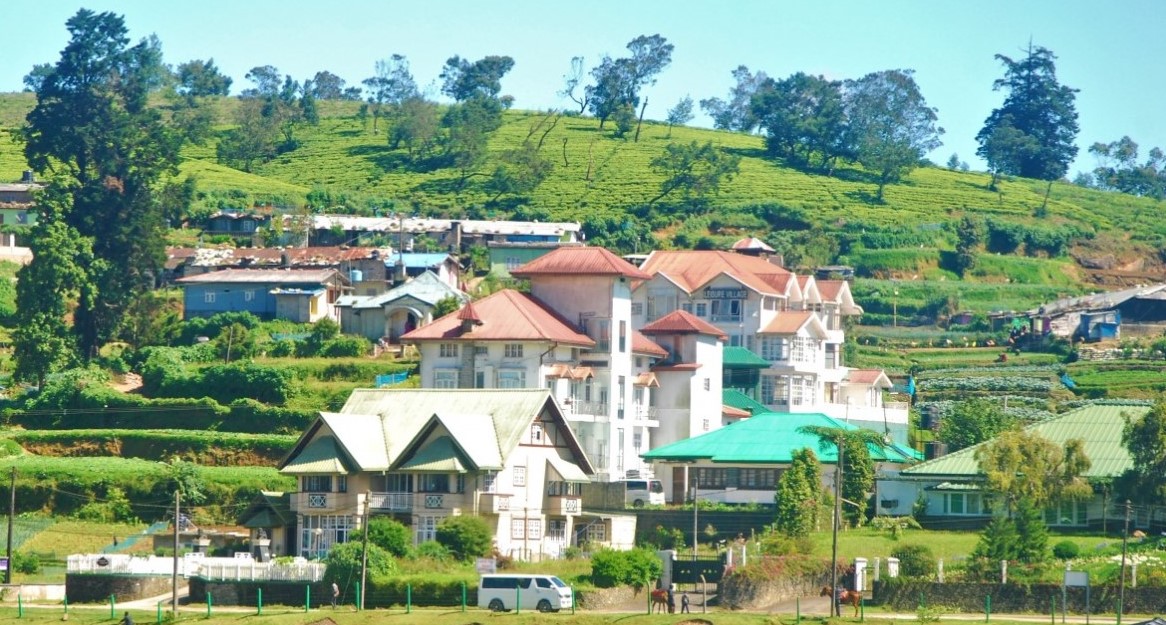
"From taro cultivation in Bogor to village tourism in Banyumas, every village has a story worth telling — and an opportunity worth sharing."
Seven areas of village knowledge
FolderDesa organizes its articles across these interconnected topics, each one grounded in real Indonesian village experience.
What you'll find on FolderDesa
Practical articles written by contributors who understand village life.
Agriculture & Cultivation
Articles on taro (talas bogor), dragon fruit, crystal guava, durian, oyster mushrooms, and tabulampot grapes — plus livestock such as dairy goats and Merino sheep.
Village-Owned Enterprises
Guides on establishing BUMDes, the differences from cooperatives, and why professional phased management matters for village economic growth.
Village Tourism
Coverage of destinations like Desa Karangkemiri in Banyumas, where outbound activities and a swimming pool helped tourism contribute Rp 50 million to village income in 2021.
Culinary Traditions
Indonesian village foods, Sundanese heritage dishes, spiced drinks, infused waters, seafood street-food ideas, and home-industry snack production.
Business Opportunities
From dried wood ear mushrooms and kopyor coconut seedlings to ecoprint crafting, bamboo crafts, and mina padi integrated rice-fish farming.
Village News & Community
Reports on social assistance programs like PKH, village governance structures, and practical tips such as safe homecoming travel during mudik season.
Building a Village Glasshouse for Vegetable Seedlings
A small glasshouse can give an Indonesian village a reliable place to raise vegetable seedlings before they are planted in open fields. It protects young plants from heavy rain, insects, intense sun and uneven watering, while helping farmers produce stronger, more uniform crops.
For Australian readers, the same principle applies in community gardens, small farms and school projects. A propagation house near Melbourne may need to retain warmth during cold nights, while one near Brisbane must prioritise ventilation and humidity control. In both settings, the structure should match the local climate and the growers’ daily routines.
A successful project begins with a practical purpose rather than an impressive building. The village should decide which crops to raise, how many seedlings are required each season, who will manage the site and how the harvest will reach customers. These decisions shape the size, materials and operating costs.
Why A Seedling Glasshouse Matters
Seedlings are at their most vulnerable during the first few weeks after germination. Sudden downpours can wash away growing media, while pests may damage an entire tray overnight. A covered propagation space gives growers greater control over moisture, temperature and hygiene.
The structure can support tomatoes, chillies, capsicums, cucumbers, leafy greens and herbs. In Indonesian villages, it can also help farmers prepare seedlings between rice cycles or during periods when field conditions are unsuitable. Regular production creates a steadier supply for local food stalls, restaurants and village markets.
A glasshouse can become a shared village asset rather than a private farm building. A BUMDes may own it, farmer groups can schedule its use, and young residents can learn nursery management, record keeping and basic agribusiness skills.
Selecting The Site And Layout
Choose level ground close to a clean water source, a storage shed and the plots where seedlings will eventually be planted. The site should receive morning light and have enough room around the building for drainage, repairs and deliveries. Avoid low-lying areas that collect stormwater.
In Australia, local conditions vary sharply: a site outside Sydney may face hot summers and coastal winds, while a community garden in Melbourne may need better winter protection. In Indonesia, orientation and shade are equally important because tropical sunlight can overheat trays quickly. A shade cloth or ventilated roof may be more useful than fully enclosed walls.
The entrance should allow easy movement of seedling trays without brushing against benches. Raised worktables reduce bending and keep containers away from muddy floors. A narrow central path with benches on both sides usually provides a good balance between working space and production capacity.
Choosing Materials And Construction Methods
A village nursery does not always require expensive glass panels. UV-stabilised polycarbonate, agricultural plastic film, shade netting and recycled timber can all be suitable when installed securely. Bamboo may lower construction costs in some Indonesian regions, although it needs treatment against termites and rot.
The frame must withstand local wind and rain. Use strong anchoring points, braces at the corners and a roof pitch that allows water to drain quickly. Fine insect mesh can cover openings, but it should be removable or washable because dust and algae reduce airflow.
| Structure type | Main strengths | Main limitations | Suitable use |
|---|---|---|---|
| Shade house | Low cost and excellent airflow | Limited protection from heavy rain | Tropical leafy greens and hardening seedlings |
| Plastic-film tunnel | Affordable and quick to build | Film needs replacement and heat management | Seasonal vegetable production |
| Polycarbonate house | Durable and better temperature control | Higher initial investment | Commercial nursery or BUMDes enterprise |
| Bamboo-and-net house | Uses local skills and materials | Requires regular maintenance | Community pilot project |
A staged build often makes financial sense. Start with a modest nursery that can supply one farmer group, then add benches, irrigation lines or a second bay once sales are proven. For technical decisions, the village team can review a practical planning resource alongside advice from local builders and agricultural officers.
Managing Water, Trays And Growing Media
Clean water is one of the most important inputs in a propagation house. Drip lines, fine misting nozzles or hand watering can work, provided the method wets the root zone without leaving leaves constantly damp. Overwatering encourages fungal disease and weak roots.
Use clean trays with drainage holes and a light growing medium. A blend may include compost, coco peat, rice-husk charcoal, sand or another locally available material, provided it drains well and has been properly prepared. Reusing old media without treatment can carry pests and disease into a new crop.
Label every batch with the crop name, sowing date and expected transplant date. This simple habit helps the manager compare germination rates and identify problems. Seedlings should be gradually exposed to outdoor conditions before planting, a process often called hardening off.
Building A Reliable Operating Routine
The building will only create value if people follow consistent routines. Assign clear responsibilities for watering, checking pests, cleaning tools, recording sales and opening or closing the ventilation. A weekly roster can prevent the nursery from depending on one person.
For Australian growers, seedlings may be timed for weekend farmers markets in Melbourne, Brisbane or regional towns, where customers often value locally grown produce and seasonal varieties. In an Indonesian village, the main buyers may be nearby households, food vendors, restaurants or farmers preparing land after the rainy season. Understanding the buying rhythm matters more than producing the largest possible volume.
Useful operating practices include:
- Inspect plants each morning for wilt, chewing damage, mould and blocked irrigation.
- Sterilise trays and tools between batches, especially after disease appears.
- Keep a simple record of seed use, germination, labour, sales and discarded plants.
- Match sowing dates to confirmed orders instead of producing uncertain surplus.
- Reserve part of each sale for repairs, seed purchases and replacement covering.
A nursery manager can also speak with nearby schools, cooperatives and food businesses about regular orders. The village contact team can help document the project, share lessons or connect it with broader rural development discussions.
Turning Seedlings Into Village Value
The financial return comes from reliable quality, careful scheduling and low waste. Selling healthy seedlings can be more predictable than selling mature vegetables because transport is simpler and buyers can grow the crop themselves. The nursery may charge by tray, by bundle or by individual plant, depending on local habits.
A basic break-even calculation should include seeds, growing media, trays, water, labour, packaging and repairs. If a batch contains 1,000 seedlings but only 800 survive to sale, the price must reflect the 200 lost plants. Tracking these figures prevents the common mistake of treating unpaid family labour and maintenance as free.
The project can also strengthen local food security. Households gain access to suitable varieties, farmers shorten the time between planting and harvest, and village enterprises develop practical skills in production and bookkeeping. Australian community groups can apply the same model at a smaller scale, using a shared propagation house to support garden plots, school kitchens or farmers-market stalls.
The most useful glasshouse is not the largest or most advanced. It is the one that fits the village climate, available materials, water supply and market demand, with people assigned to care for it every day. What readers should remember is simple: strong seedlings begin with a well-planned space, disciplined routines and a clear path from nursery bench to customer.

Questions or story ideas from your village?
FolderDesa welcomes readers who want to share village experiences or learn more about the topics covered on the site.
Visit the Contact Page