
FolderDesa brings together practical knowledge on farming, village-owned enterprises, culinary traditions, rural tourism, and small-business ideas — all rooted in the everyday life of Indonesian villages.
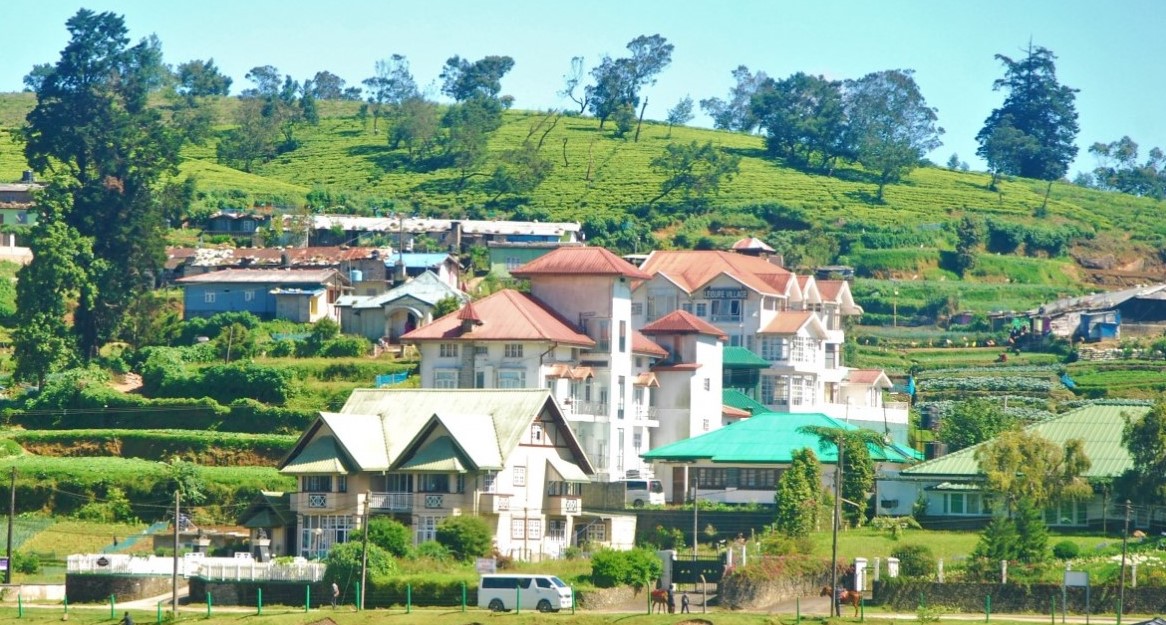
"From taro cultivation in Bogor to village tourism in Banyumas, every village has a story worth telling — and an opportunity worth sharing."
Seven areas of village knowledge
FolderDesa organizes its articles across these interconnected topics, each one grounded in real Indonesian village experience.
What you'll find on FolderDesa
Practical articles written by contributors who understand village life.
Agriculture & Cultivation
Articles on taro (talas bogor), dragon fruit, crystal guava, durian, oyster mushrooms, and tabulampot grapes — plus livestock such as dairy goats and Merino sheep.
Village-Owned Enterprises
Guides on establishing BUMDes, the differences from cooperatives, and why professional phased management matters for village economic growth.
Village Tourism
Coverage of destinations like Desa Karangkemiri in Banyumas, where outbound activities and a swimming pool helped tourism contribute Rp 50 million to village income in 2021.
Culinary Traditions
Indonesian village foods, Sundanese heritage dishes, spiced drinks, infused waters, seafood street-food ideas, and home-industry snack production.
Business Opportunities
From dried wood ear mushrooms and kopyor coconut seedlings to ecoprint crafting, bamboo crafts, and mina padi integrated rice-fish farming.
Village News & Community
Reports on social assistance programs like PKH, village governance structures, and practical tips such as safe homecoming travel during mudik season.
Building a Hygienic Chicken Slaughterhouse in an Indonesian Village
A village chicken slaughterhouse can turn local poultry production into a dependable source of income, but the building must be designed around hygiene from the beginning. Clean water, separate work areas, safe chilling, trained staff, and reliable records matter as much as the number of chickens processed.
For an Indonesian village, the project may support farmers, traders, food stalls, caterers, and a BUMDes. It can also reduce the need for informal slaughtering in backyards, where feathers, blood, wastewater, and waste can create health and odour problems.
Australian readers will recognise the same basic principle from butcher shops, farmers markets, and “paddock-to-plate” businesses: customers want to know where food comes from and how it was handled. In Queensland, New South Wales, Victoria, and other states, poultry processing requirements can involve local councils, food regulators, construction approvals, and waste controls.
The Indonesian model must still follow local law and village conditions. A remote site may face intermittent electricity, limited water pressure, long transport distances, and difficulty finding trained workers. A practical facility should therefore be simple, washable, affordable to maintain, and capable of expanding as demand grows.
Start With A Safe Village Business Model
Before construction, the village should estimate how many birds can be supplied each week. A small slaughterhouse serving nearby households may need a different layout from one supplying restaurants, schools, hotels, or frozen-food distributors. Volume should be based on confirmed customers rather than optimistic production targets.
The BUMDes can coordinate farmer contracts, purchase schedules, processing fees, and sales. Clear agreements should state bird weight, payment timing, rejection rules, and responsibility for mortality during transport. In Australia, small producers often test demand through farm-gate sales and weekend markets; a village enterprise can use a similar approach with warungs, catering groups, and local retailers.
Records of permits, suppliers, customers, and village decisions should be kept in one place. Practical reporting about rural enterprise and governance can be followed through village development reports, which can help officials connect the facility to wider village planning.
Choose A Layout That Separates Dirty And Clean Work
The building should follow a one-way flow: live birds enter, then move through stunning or humane killing, scalding, defeathering, evisceration, washing, chilling, packing, and dispatch. Finished products must never pass back through the live-bird or feather-removal area.
A useful layout has separate doors for birds, workers, clean products, waste, and customers. Walls and floors should be smooth, non-absorbent, light-coloured, and easy to wash. Floors need a gentle slope towards covered drains, while wall-floor junctions should be rounded or sealed so dirt cannot collect.
A roofed unloading area protects birds and workers from tropical rain and strong sun. Windows should have insect screens, doors should close properly, and hand-washing stations should stand at every transition from a dirty zone to a clean zone. Equipment should be raised off the floor and positioned so that staff can reach every surface during cleaning.
Control Water, Temperature, And Cross-Contamination
Water used for washing carcasses, hands, tools, and surfaces must be safe and available throughout the shift. A storage tank with a backup pump may be necessary where village supply is unreliable. Water quality should be tested according to local requirements, and hoses should be stored off the floor.
Temperature control is central to food safety. After processing, chicken should be chilled quickly and kept cold during packing, storage, and transport. The exact legal temperature depends on the applicable Indonesian rules, but the operating principle is clear: use calibrated thermometers, record readings, and reject batches that have been exposed to unsafe conditions.
Workers should use clean aprons, hair coverings, waterproof footwear, and washable gloves where appropriate. Gloves do not replace handwashing. Staff must wash hands after touching live birds, waste, phones, door handles, or their face. The practical importance of dependable phone communication is also clear in this mobile network report, especially when a village team is coordinating deliveries, cold storage, and equipment faults.
Manage Workers, Waste, And Local Expectations
Every worker needs training in personal hygiene, humane handling, knife safety, cleaning chemicals, and emergency procedures. A short daily briefing can cover the expected number of birds, equipment condition, water supply, and any health concerns. Anyone with vomiting, diarrhoea, fever, or an infected wound should not handle food.
Chicken blood, feathers, offal, wastewater, and rejected carcasses need separate handling plans. Open dumping can attract flies, dogs, and rodents, while untreated wastewater can pollute drains and streams. Composting may suit feathers and some organic material, but high-risk waste requires a method approved by local authorities.
Halal requirements may be important in many Indonesian communities and should be built into the process, training, supervision, and documentation. Australian operators supplying halal customers also understand that certification and trusted handling procedures affect market access. In both settings, customers value visible cleanliness, honest labelling, and consistent service.
Build A Routine That Can Be Audited
A hygienic slaughterhouse depends on routine rather than occasional deep cleaning. Before work begins, staff should inspect water, drains, tools, refrigeration, protective clothing, and pest controls. During production, supervisors should check handwashing, product flow, carcass condition, and temperature.
After work, the team should remove solid waste, rinse surfaces, apply approved detergent, scrub, rinse again, sanitise where required, and allow equipment to dry. Chemicals must be labelled and stored away from food. Cleaning tools for toilets, waste areas, and processing rooms should be colour-coded and kept separate.
Australian buyers may expect batch information, supplier details, and a traceable recall process, particularly when products are sold through formal retailers. A village facility can begin with a simple batch code showing the processing date, farmer group, and delivery destination. This creates accountability without requiring expensive software.
Daily Records Worth Keeping
- Water supply and sanitation checks
- Chiller temperature and thermometer checks
- Worker health and protective clothing checks
- Cleaning, pest, and equipment inspection records
Warning Signs Requiring Immediate Action
- Dirty water, blocked drains, or standing wastewater
- Warm chicken, damaged packaging, or a failed refrigerator
- Flies, rodents, strong odours, or uncovered waste
- Workers handling food after touching phones or waste
A staged investment can keep the project within reach of a village budget. Begin with a well-drained processing room, reliable water storage, washable equipment, a cold room or commercial refrigerator, and proper waste control. Automation can be added later when sales justify it.
| Area | Basic village facility | Larger commercial facility |
|---|---|---|
| Processing volume | Local household and food-stall demand | Retail, catering, and institutional contracts |
| Chilling | Commercial refrigerators and insulated boxes | Dedicated chiller, freezer, and monitored dispatch |
| Records | Paper forms or shared digital sheets | Integrated traceability and stock software |
| Staffing | Cross-trained village workers | Specialist slaughter, quality, maintenance, and logistics teams |
| Market reach | Nearby villages and local markets | Regional distribution and formal buyers |
| Main priority | Clean flow and dependable daily routines | Capacity, certification, audit readiness, and cold-chain control |
The first concrete step is to map the proposed site with separate dirty and clean zones, then have the village authority and relevant food-safety officials review that drawing before any building materials are purchased.

Questions or story ideas from your village?
FolderDesa welcomes readers who want to share village experiences or learn more about the topics covered on the site.
Visit the Contact Page