
FolderDesa brings together practical knowledge on farming, village-owned enterprises, culinary traditions, rural tourism, and small-business ideas — all rooted in the everyday life of Indonesian villages.
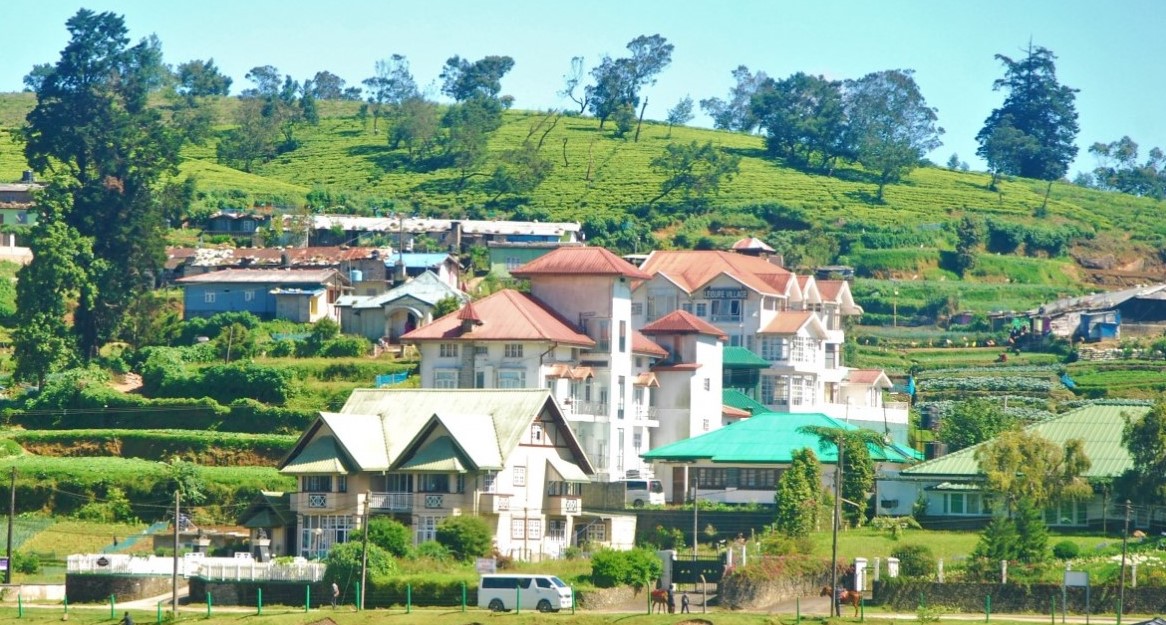
"From taro cultivation in Bogor to village tourism in Banyumas, every village has a story worth telling — and an opportunity worth sharing."
Seven areas of village knowledge
FolderDesa organizes its articles across these interconnected topics, each one grounded in real Indonesian village experience.
What you'll find on FolderDesa
Practical articles written by contributors who understand village life.
Agriculture & Cultivation
Articles on taro (talas bogor), dragon fruit, crystal guava, durian, oyster mushrooms, and tabulampot grapes — plus livestock such as dairy goats and Merino sheep.
Village-Owned Enterprises
Guides on establishing BUMDes, the differences from cooperatives, and why professional phased management matters for village economic growth.
Village Tourism
Coverage of destinations like Desa Karangkemiri in Banyumas, where outbound activities and a swimming pool helped tourism contribute Rp 50 million to village income in 2021.
Culinary Traditions
Indonesian village foods, Sundanese heritage dishes, spiced drinks, infused waters, seafood street-food ideas, and home-industry snack production.
Business Opportunities
From dried wood ear mushrooms and kopyor coconut seedlings to ecoprint crafting, bamboo crafts, and mina padi integrated rice-fish farming.
Village News & Community
Reports on social assistance programs like PKH, village governance structures, and practical tips such as safe homecoming travel during mudik season.
Building a small dam for irrigation through community action
A small irrigation dam can transform a village farming area by storing water during the rainy season and directing it to fields when rainfall declines. However, the structure itself is only one part of the project. A reliable water system also depends on local agreements, careful design, transparent funding, and regular maintenance.
In rural Indonesia, this kind of infrastructure can support rice, vegetables, fruit trees, and fish ponds. It may also strengthen village-owned enterprises when farmers increase production or develop businesses connected to agriculture. The most successful projects begin with a shared understanding of who needs water, how much is available, and who will care for the facility after construction.
A community dam should be planned as a public asset rather than a short-term construction project. Village officials, farmer groups, landowners, and residents need clear responsibilities from the first survey until the first planting season.
Start with a shared water assessment
The first step is to map the river, stream, spring, or drainage channel that could supply the irrigation network. Residents can record water levels during wet and dry periods, identify existing channels, and mark fields that regularly suffer from water shortages. Local knowledge is valuable, but measurements should be checked by a technician or irrigation officer.
The assessment should also consider downstream users. A dam that benefits fields upstream but blocks household water, livestock access, fish habitats, or neighboring farms can create conflict. Hold an open village meeting to discuss the proposed location, expected benefits, possible impacts, and the rules that will guide water distribution.
Choose a structure suited to the site
The design depends on the river width, soil, slope, flood force, available materials, and desired storage capacity. A low weir may be enough to raise the water level into an intake channel, while an embankment dam may provide more storage where the terrain forms a natural basin. Concrete is durable, but stone, gabions, and compacted earth may be more affordable when properly designed.
A qualified engineer or public works officer should review the foundation, spillway, drainage, and flood safety. A structure built without a safe overflow route can fail during heavy rain and cause serious damage downstream. Construction should never rely solely on informal estimates when the dam will hold back significant water.
| Structure option | Suitable condition | Main advantage | Main concern |
|---|---|---|---|
| Low concrete weir | Small stream with stable bedrock or firm soil | Durable and simple to operate | Can be costly and vulnerable to foundation problems |
| Gabion or stone weir | Moderate flow and access to local rock | Flexible, repairable, and uses local materials | Wire baskets and stones need periodic replacement |
| Earth embankment dam | Broad valley with suitable clay soil | Provides useful storage at lower material cost | Requires strong compaction, drainage, and spillway protection |
Build a transparent project budget
The budget should separate technical work, materials, labor, land preparation, transport, safety equipment, and future repairs. Community labor can reduce expenses, but it should be valued fairly and organized around safe tasks. Skilled work such as surveying, concrete reinforcement, compaction testing, and spillway construction should be assigned to trained workers.
Funding may come from village budgets, farmer contributions, regional programs, corporate social responsibility support, or a BUMDes partnership. Every source and expense should be recorded publicly. A simple notice board, village meeting report, or digital update can help residents see how money and materials are being used.
The project may also create wider rural economic opportunities. Better irrigation can increase harvests for local food processors, market vendors, and tourism businesses serving visitors. Villages developing culinary products can connect agricultural output with local food enterprises, creating demand beyond the farm gate.
Organize construction around safety
Before work begins, establish a construction schedule that considers planting seasons, rainfall forecasts, access to the site, and the availability of community workers. Heavy rain can quickly turn a streambed into a dangerous work zone. Children and unauthorized visitors should be kept away from excavations, cement mixing areas, and temporary cofferdams.
Construction quality depends on following the design in the correct sequence. The foundation must be cleared and compacted, water should be diverted safely during work, and concrete or earth layers need adequate curing and compaction. The spillway deserves special attention because it carries excess water during storms and protects the main body of the dam.
A village committee can appoint one person to record daily progress, material deliveries, weather conditions, and problems. Photographs and measurements provide useful evidence when the project is audited or when repairs are needed later.
Create fair irrigation rules
A water users association or farmer group should manage the distribution system after completion. Its rules can set planting schedules, opening times for gates, maintenance contributions, and procedures for resolving disputes. Water allocation should be based on transparent principles, such as cultivated area, crop needs, and agreed priority for household or emergency use.
The association can collect a modest maintenance fee after each harvest. This money should be kept separately and used for desilting, repairing channels, replacing gates, and controlling vegetation around the structure. Waivers may be considered for vulnerable households, but the policy should be agreed collectively rather than decided informally.
Clear rules are especially important when new users arrive or when the irrigation network expands. Written agreements reduce misunderstandings between upstream and downstream farmers and give village officials a practical basis for mediation.
Maintain the dam after the first season
A small dam requires regular inspection even when it appears stable. Before and after the rainy season, residents should check for cracks, seepage, erosion, blocked spillways, damaged gates, and sediment buildup. A sudden change in water flow or wet patches below the structure should be reported quickly to a technical authority.
Vegetation should be controlled around critical areas, while useful trees can be planted away from the embankment to reduce erosion. Sediment management is also essential because accumulated mud gradually reduces storage and can block irrigation intakes. Maintenance work is usually cheaper when performed in small, scheduled stages instead of after a major failure.
A practical community checklist
- Survey water sources, downstream users, soil conditions, and flood routes before selecting a site.
- Obtain technical review and confirm land access, environmental requirements, and village approvals.
- Publish the budget, labor plan, procurement records, and construction schedule.
- Form a water users association with written rules for allocation, fees, and dispute resolution.
- Schedule inspections, desilting, gate repairs, and emergency action before the rainy season.
Irrigation infrastructure can also support a broader village development strategy. Increased farm production may supply homestays, food stalls, and local markets, while improved landscapes can become part of an educational or agro-tourism route. Communities exploring this direction can learn from a village tourism center guide when organizing visitor information and local services.
A small dam becomes valuable when the community can keep it safe, distribute its benefits fairly, and connect it with productive village activities. Begin with a water assessment, invite technical guidance, record every decision, and bring farmers together to approve a maintenance agreement before construction starts.

Questions or story ideas from your village?
FolderDesa welcomes readers who want to share village experiences or learn more about the topics covered on the site.
Visit the Contact Page